
The Eastern Province of Sri Lanka, a region historically celebrated for its lush landscapes and abundant water resources, has long found its economic heartbeat within the rhythmic casting of nets across its expansive freshwater reservoirs. However, the recent devastation wrought by Cyclone Ditwah left this vital sector in a state of profound vulnerability, with many inland fishing communities facing the antithesis of their former prosperity. In a transformative move to address this crisis, a comprehensive initiative has been launched to modernise and fortify the fisheries industry, underpinned by a significant financial commitment from the Government of Japan.
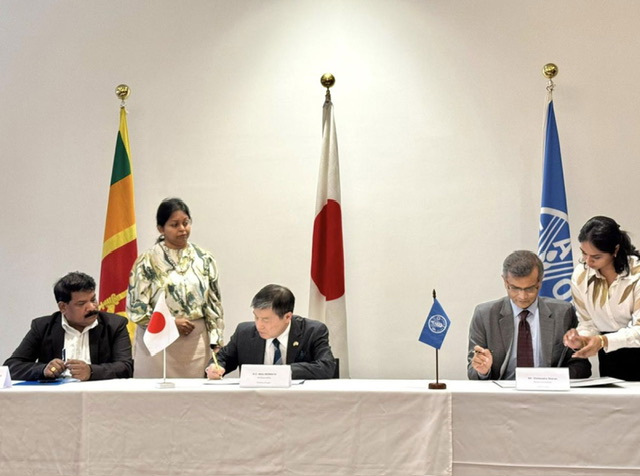
Launched officially on May 29, 2026, this US$1.33 million project represents a collaborative triumph between international development partners and local authorities. Implemented through the Food and Agriculture Organization (FAO) of the United Nations, the programme is designed to provide more than mere temporary relief; it is a strategic endeavour to reconstruct the regional economy with a focus on long-term sustainability and technological advancement.
A Strategic Partnership for Regional Recovery
The impact of Cyclone Ditwah was not merely a meteorological event but a socio-economic catalyst that disrupted the delicate balance of inland aquaculture. Recognising the urgency of the situation, the Government of Japan has emerged as an instrumental partner, providing the necessary capital to breathe new life into the reservoirs of Ampara, Batticaloa, and Trincomalee. This funding is specifically directed towards the revival of freshwater fisheries, a sector that remains a primary source of protein and income for thousands of families in the Eastern Province.

The project, which is scheduled to operate from June 2026 through to November 2027, adopts a multi-faceted approach to recovery. By weaving together geographical data with chronological milestones, the initiative ensures that the most severely affected areas receive targeted interventions. The coordination between the FAO and Sri Lankan fisheries authorities highlights a sophisticated model of international cooperation, where global expertise is applied to local environmental and economic contexts.
Modernising the Inland Aquaculture Landscape
At the core of this $1.33 million investment is the introduction of modern aquaculture technologies that seek to transcend traditional methods. One of the most significant components of the project is the installation of 200 advanced fish cages across 30 selected reservoirs throughout the Eastern Province. These cages are designed to increase the density and survival rates of fish stocks, thereby ensuring a more consistent and higher-yield harvest for the local fishermen.
Furthermore, the project includes the essential upgrading of fish breeding centres. These facilities are the foundation of the industry, and their modernisation is replete with potential for regional growth. By improving the genetic quality and health of the fingerlings produced, the initiative ensures that the entire supply chain, from breeding to market, is fortified against future shocks. The provision of barrage net systems further complements these efforts, allowing for better management of reservoir resources and preventing the loss of valuable stocks during periods of heavy rainfall or flooding.
Empowering Communities and Enhancing Resilience
The true success of this Japan-backed initiative lies in its capacity to empower the individual. For the inland fishermen of the East, the project offers a pathway from recovery to resilience. By providing the tools and knowledge necessary to engage with modernised aquaculture, the programme assists these communities in regaining their financial independence. The focus on “building back better” ensures that the infrastructure being installed today is capable of withstanding the increasingly unpredictable weather patterns that have historically plagued the region.
The collaborative nature of the project also fosters a sense of community ownership. Engagement sessions between officials and local leaders ensure that the implementation of these new technologies is culturally appropriate and economically viable for the specific needs of each district. This bottom-up approach is essential for the longevity of the project’s benefits, ensuring that the Eastern Province remains a hub of freshwater fish production for generations to come.
eLanka: Connecting the Community to Opportunities
As we witness these significant developments within the motherland, eLanka remains dedicated to providing the primary bridge between these stories and the global community. Our mission is to share and celebrate positive stories about Sri Lankans worldwide, highlighting the progress and innovation that define our heritage. For businesses looking to support these communities or engage with our extensive network, eLanka offers a comprehensive Business Directory and a platform for Community Announcements.
Whether you are seeking the latest news, looking for employment opportunities, or wishing to contribute your own good news stories, our digital hub is designed to keep you informed and connected. We invite you to explore our services, including eLanka Weddings and eLanka Property, as we continue to serve the Sri Lankan community in Australia and beyond.
Source: https://www.newswire.lk/2026/05/31/japan-funds-1-33-million-project-to-revive-eastern-province-freshwater-fisheries/, kindly email us at info@eLanka.com.au if any information needs to be corrected.
At eLanka, we respect the rights of creators. If we have used an image you own and you’d like it removed, please email us at info@elanka.com.au and we’ll handle it promptly.


