
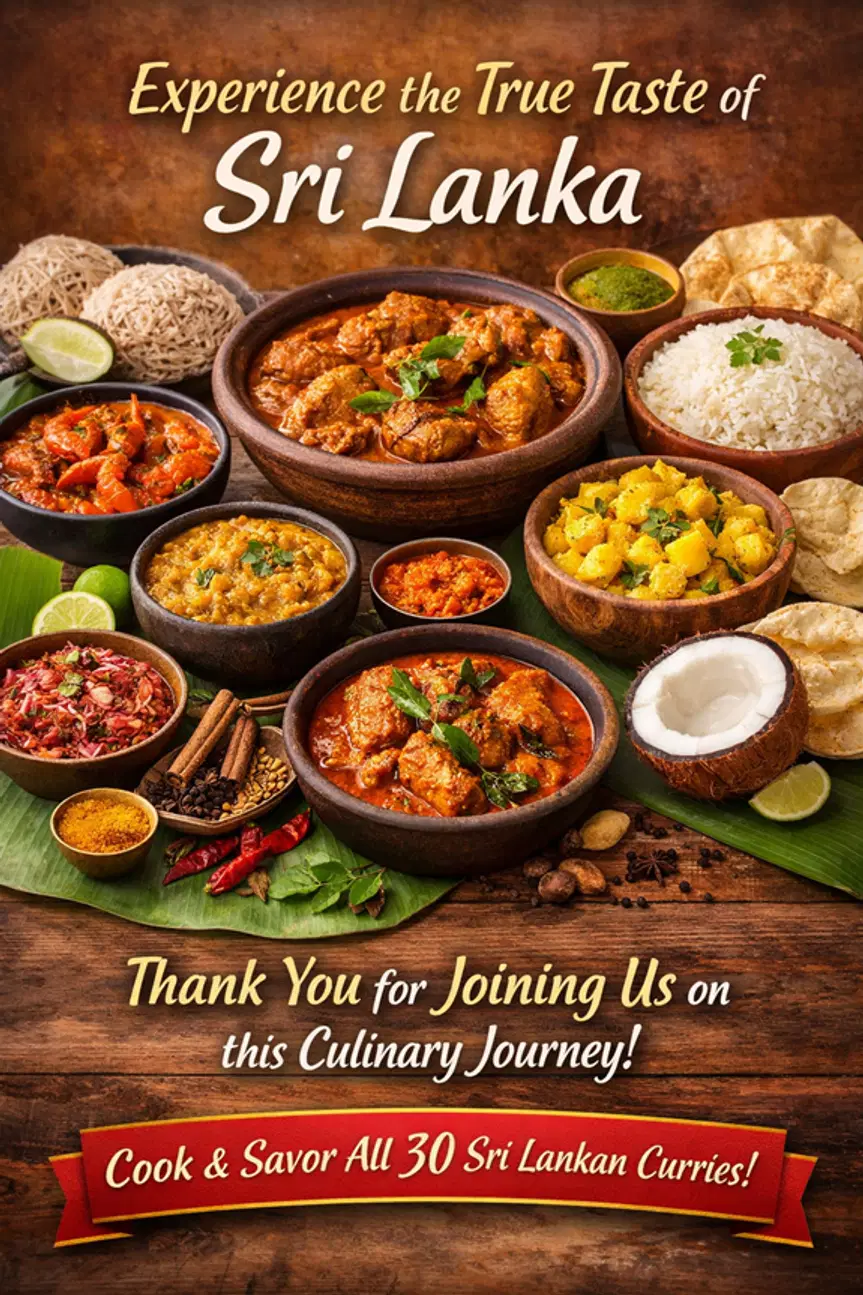
The culinary landscape of Sri Lanka is a sophisticated tapestry of historical influences, geographical abundance, and a profound mastery of spice manipulation that has evolved over millennia. From the ancient maritime trade routes that established the island as a primary source of the world’s finest cinnamon to the subsequent waves of colonial influence, the development of Sri Lankan “rice and curry” represents an intricate fusion of indigenous knowledge and external cultural infusions. It is within this historical context that one must approach the art of Sri Lankan cuisine, where the preparation of a single curry is not merely a task of sustenance but a deliberate orchestration of flavours, textures, and aromatic compounds designed to achieve a harmonious balance.
The Historical and Regional Foundations of Flavour
The historical trajectory of Sri Lankan gastronomy is intrinsically linked to the island’s pivotal role as a primary node in the ancient maritime Silk Road. This strategic position facilitated the convergence of diverse cultures, including Arab traders, South Indian settlers, and European colonisers, each of whom contributed to a culinary tradition that is today replete with complexity. The fundamental distinction between the regional cuisines of the North and the South serves as a testament to these varying influences.
In the northern region of Jaffna, the culinary identity is heavily informed by Tamil cultural heritage and its geographical proximity to South India. This relationship is manifest in the preference for bold, pungent flavours and the frequent utilisation of gingelly oil, tamarind, and dried red chillies. Conversely, the southern and central regions of the island exhibit a more extensive reliance on coconut milk and aromatic spices such as Ceylon cinnamon and green cardamom, reflecting the lush, tropical environment that characterises the island’s interior and coastline.
The Anatomy of the Sri Lankan Curry
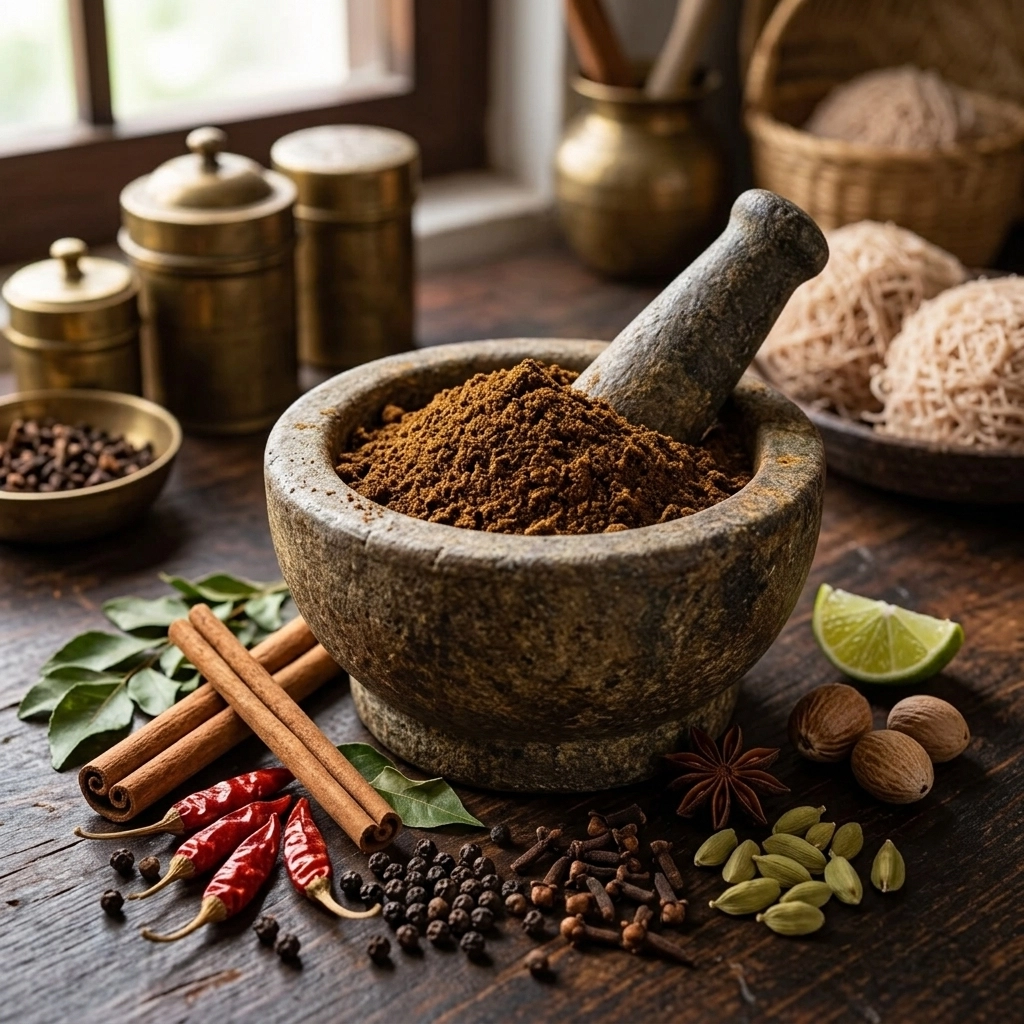
The architecture of a traditional Sri Lankan curry is founded upon the expert application of spices, which are often categorised into “unroasted” and “roasted” varieties. The unroasted powders are typically reserved for vegetable and lentil dishes, preserving the brightness and inherent sweetness of the primary ingredients. In contrast, the deep, umami-rich profiles of meat and seafood curries are achieved through the use of roasted curry powder, where coriander, cumin, fennel, and fenugreek seeds are meticulously heated until they release their essential oils and achieve a dark, fragrant hue.
Furthermore, the integration of coconut is an indispensable component that distinguishes Sri Lankan cookery from that of its neighbours. Whether utilised as a creamy base in the form of coconut milk or as a textured accompaniment such as Pol Sambol, the coconut provides a critical counterpoint to the heat of the chillies. The sophisticated use of Goraka (Garcinia quaesita), a dried fruit used for its souring properties, is instrumental in the preparation of dry fish curries, providing a unique tartness that simultaneously acts as a natural preservative.
Regional Masterpieces: From Jaffna to the South
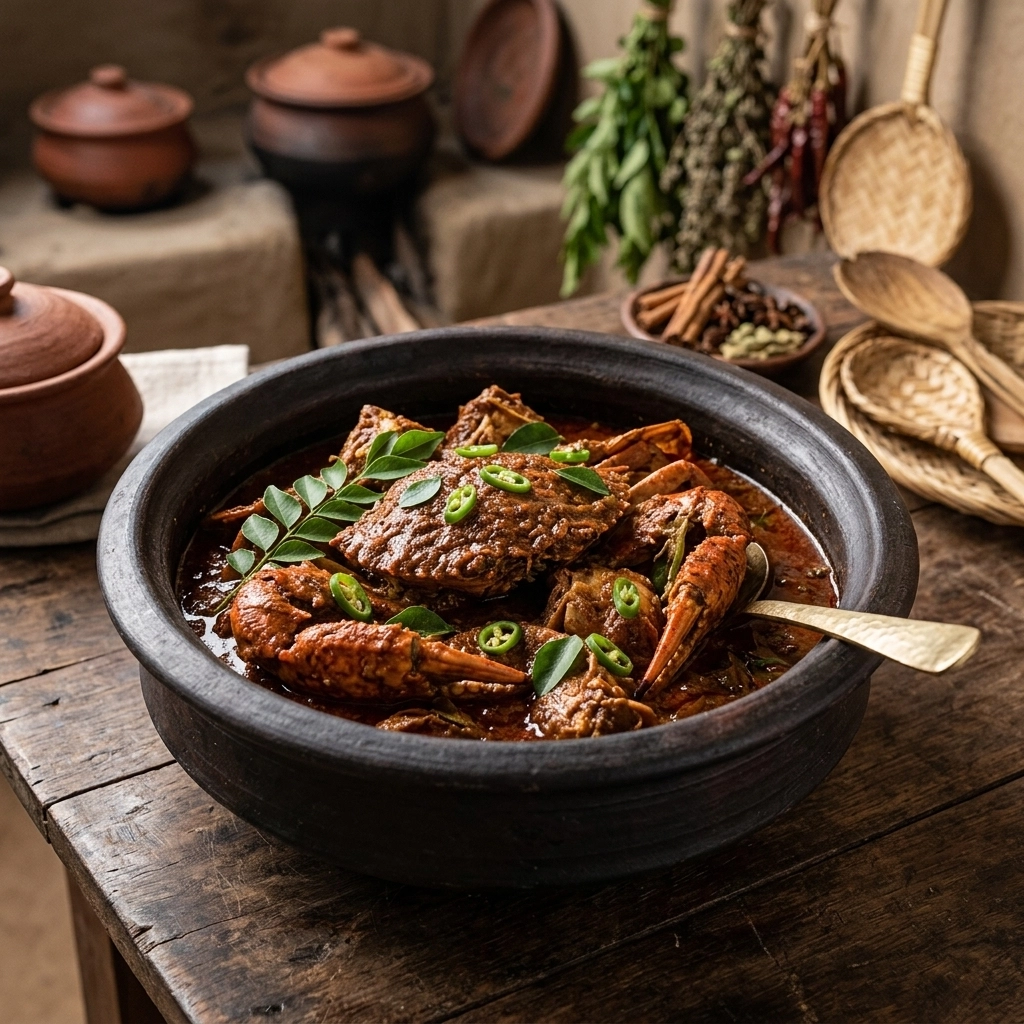
To truly master the art of Sri Lankan cuisine, one must appreciate the signature dishes that define regional identity. The Jaffna Crab Curry is perhaps the most iconic representation of northern culinary prowess. This dish is characterised by a fiery red hue and a complex spice profile that utilises the locally produced Jaffna curry powder, which is notably more pungent than its southern counterparts. The crab is typically slow-cooked with drumstick leaves and tamarind, resulting in a dish that is as aromatic as it is intense.
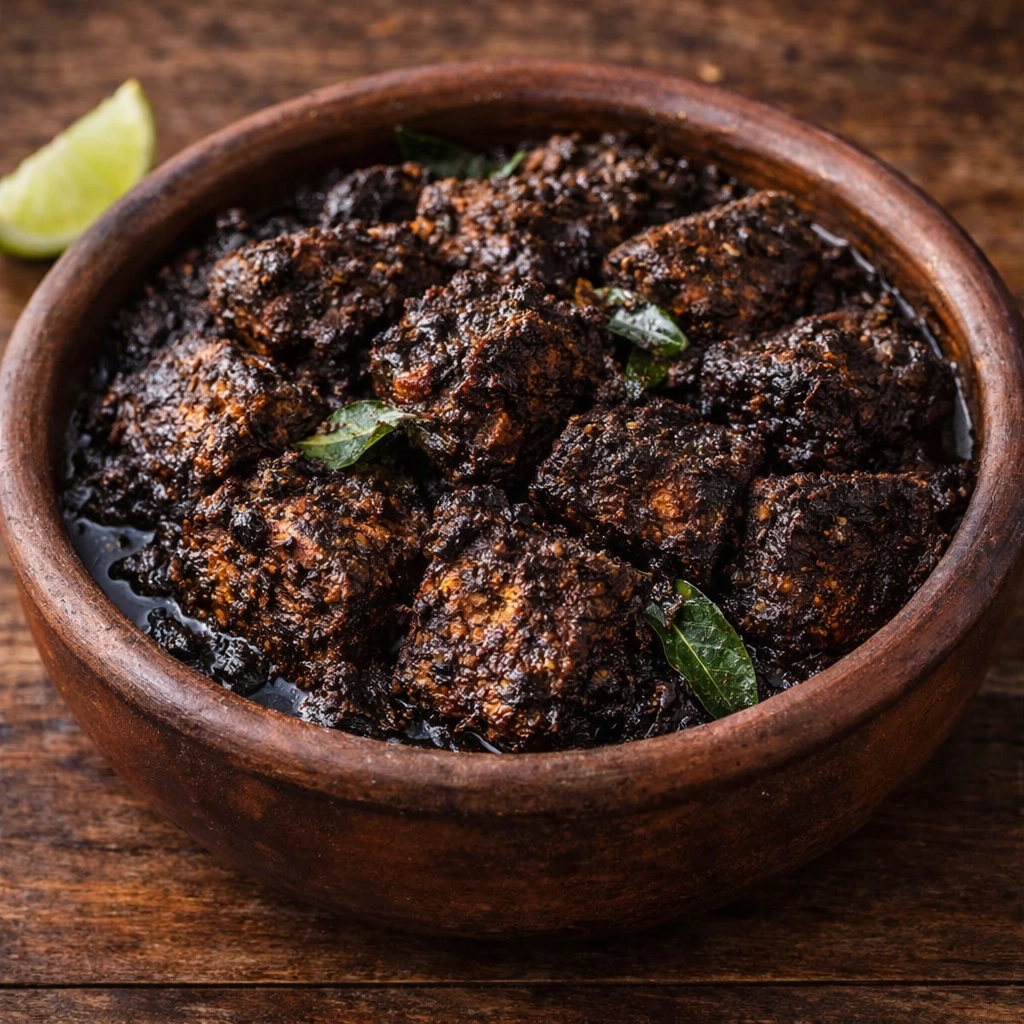
In the southern provinces, the Fish Ambul Thiyal represents a pinnacle of culinary ingenuity. This sour fish curry is prepared by coating cubes of firm fish, typically tuna, in a thick paste of ground black pepper, cinnamon, turmeric, and rehydrated goraka. The mixture is then simmered in a clay pot until the liquid has completely evaporated, leaving the fish encased in a dark, intensely flavoured crust. This method of preparation was historically favoured by coastal communities as it allowed the fish to be preserved for several days without refrigeration.
Curating a Comprehensive Collection: 30 Authentic Recipes
For the discerning cook who seeks to replicate these sophisticated flavours within a domestic setting, the challenge often lies in accessing authentic recipes and high-quality ingredients. It is observed that many contemporary interpretations of Sri Lankan food suffer from a lack of historical accuracy or an oversimplification of the spice blends. To address this deficiency, a comprehensive guide has been curated to assist both novices and experienced chefs in their culinary journey.
A meticulously detailed eBook, titled “30 Authentic Sri Lankan Curry Recipes,” is currently available for those who wish to explore the full breadth of the island’s offerings. This collection spans the spectrum of Sri Lankan gastronomy, including traditional meat preparations, delicate seafood dishes, and a vast array of vegetarian curries such as Parippu (dhal), Polos (tender jackfruit), and the creamy Kaju (cashew) curry. Each recipe is designed to maintain the integrity of traditional methods while providing clear, structured instructions suitable for modern kitchens.
The eBook may be accessed via the following link: 30 Authentic Sri Lankan Curry Recipes on Etsy.
Essential Provisions and the eLanka Shop
The pursuit of culinary excellence is fundamentally dependent upon the quality of the raw materials employed. In the context of Sri Lankan cuisine, the use of genuine Ceylon cinnamon, fresh curry leaves, and authentic roasted curry powder is non-negotiable. For members of the diaspora and culinary enthusiasts globally, sourcing these specific items can often prove difficult.
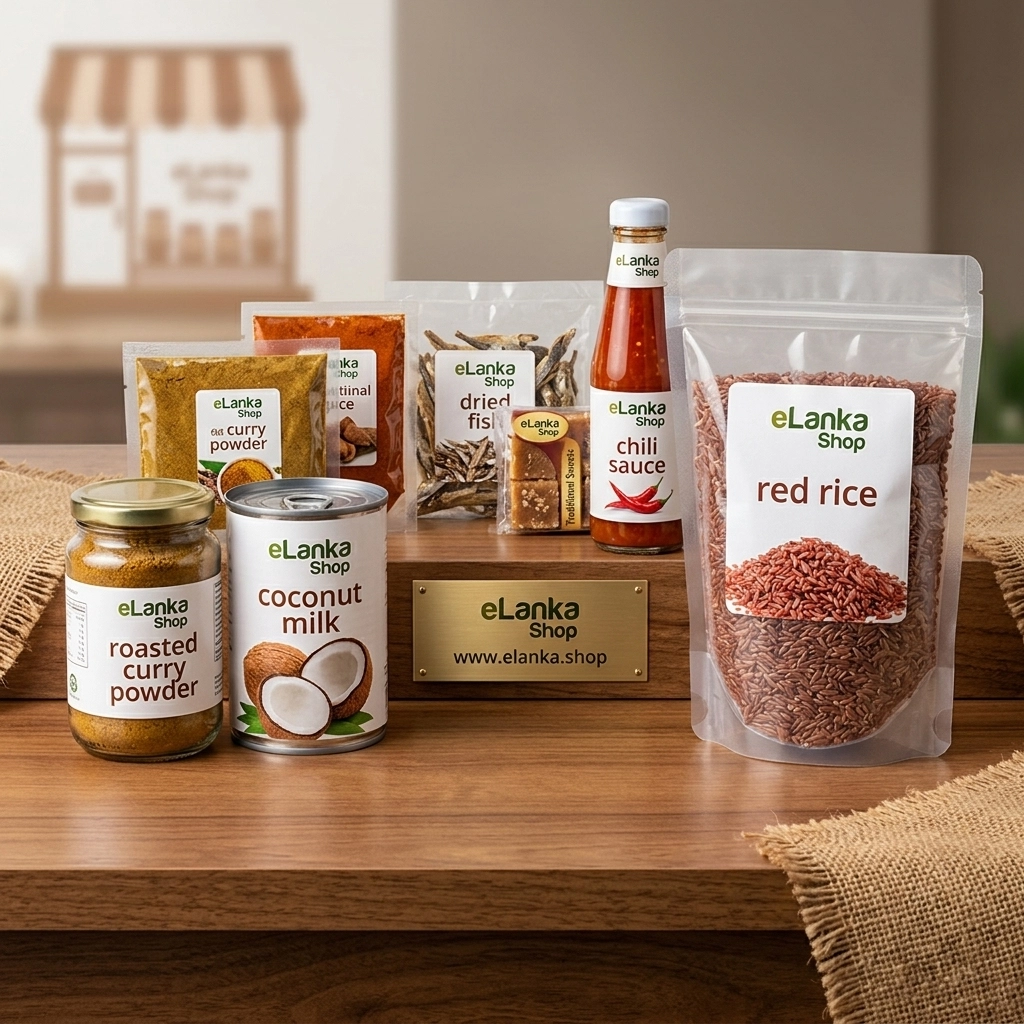
The eLanka Shop serves as a vital bridge in this regard, providing a dedicated platform where high-quality Sri Lankan groceries and spices can be procured with ease. By offering a curated selection of essential provisions, ranging from traditional clay pots (chatties) to premium spice blends, the eLanka Shop ensures that the authenticity of the cooking process is never compromised. Supporting the eLanka Shop not only facilitates the creation of exceptional meals but also contributes to the sustenance of the dedicated team that maintains our community portal.
Visit the eLanka Shop to browse our full range of authentic Sri Lankan products.
Conclusion
Mastering the art of Sri Lankan cuisine requires a deep appreciation for the historical and regional contexts that have shaped its evolution. It is a cuisine replete with nuance, where the antithesis of simplicity is found in the layered application of spices and the thoughtful integration of local ingredients. Whether one is preparing a fiery crab curry from the North or a delicate milk rice in the South, the process remains a celebration of heritage and a testament to the enduring vibrancy of Sri Lankan culture. By utilising resources such as our authentic recipe guides and the eLanka Shop, enthusiasts are empowered to preserve these traditions and share the extraordinary flavours of Sri Lanka with the world.
Source: https://www.etsy.com/au/listing/4479025060/30-authentic-sri-lankan-curry-recipes
This article was written based on the source https://www.etsy.com/au/listing/4479025060/30-authentic-sri-lankan-curry-recipes, kindly email us at info@eLanka.com.au if any information needs to be corrected.
At eLanka, we respect the rights of creators. If we have used an image you own and you’d like it removed, please email us at info@elanka.com.au and we’ll handle it promptly.


