
Image of Nilma Dole-Williams (source: Nilma Dole-Williams)
The story shared through Savithri Rodrigo’s Kaleidoscope centres on Nilma Dole-Williams, a Sri Lankan-born cricketer, coach, and advocate who has used sport as a way to build confidence, connection, and opportunity for women across several countries. Her journey stretches from Sri Lanka to Canada, Peru, the United Kingdom, and Cambodia, and along the way cricket has become far more than a game. It has been a tool for belonging, healing, and social change.
A key turning point in that journey was Sri Lanka’s 1996 Cricket World Cup victory, a moment that inspired pride across the global Sri Lankan community. For Nilma Dole-Williams, who was then a young girl of Sri Lankan Malay heritage living in Canada, that win opened up a sense of possibility. It encouraged her to look past the common idea that cricket was not a sport for women and to imagine a different future.
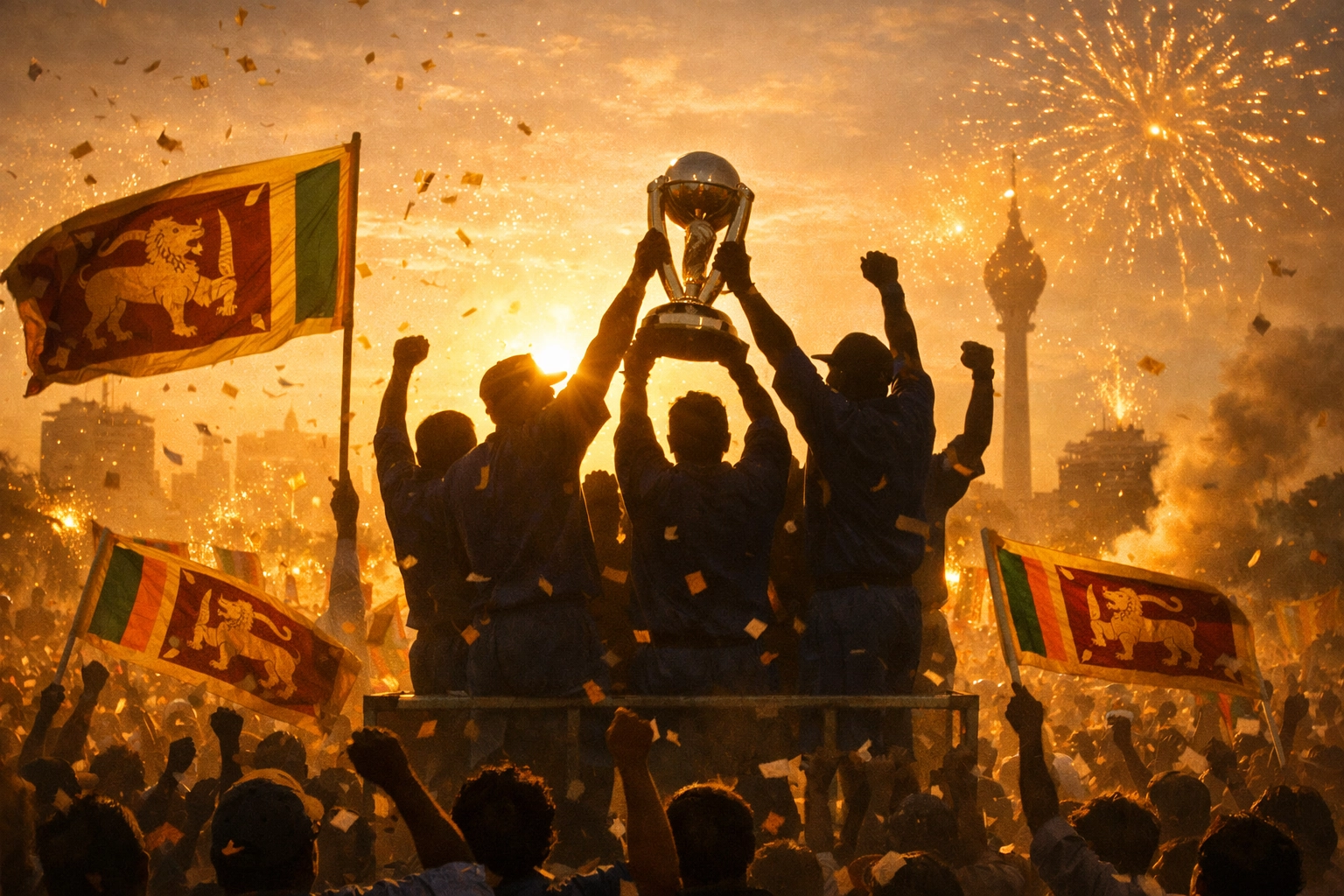
The historic triumph of 1996 remains a lasting source of inspiration for the global Sri Lankan community. Images regenerated using AI based on the original story. (Image width: 600px)
When her family moved to Lima, Peru, during her husband’s diplomatic posting as the Deputy British Ambassador, Dole-Williams found herself facing the kind of isolation that often comes with expatriate life. Rather than accepting the narrow expectations sometimes placed on a diplomatic spouse, she chose to connect through the Lima Cricket and Football Club, one of South America’s oldest sporting institutions. That step led to something remarkable: she joined the Peruvian Women’s National Cricket Team and became the first British diplomatic spouse to represent a host country in international competition. Her commitment to the sport helped lead to a bronze medal at the South American Championships in 2016, showing that cricket could grow strongly even in a region where it was far from mainstream.
In Peru, cricket also became a way to challenge limiting attitudes towards women. In settings where women can too often be valued more for appearance than ability, the sport offered young players a space to build confidence, teamwork, and self-worth. The sense of sisterhood created on the field gave many of them a stronger voice and a support network that extended well beyond the game.
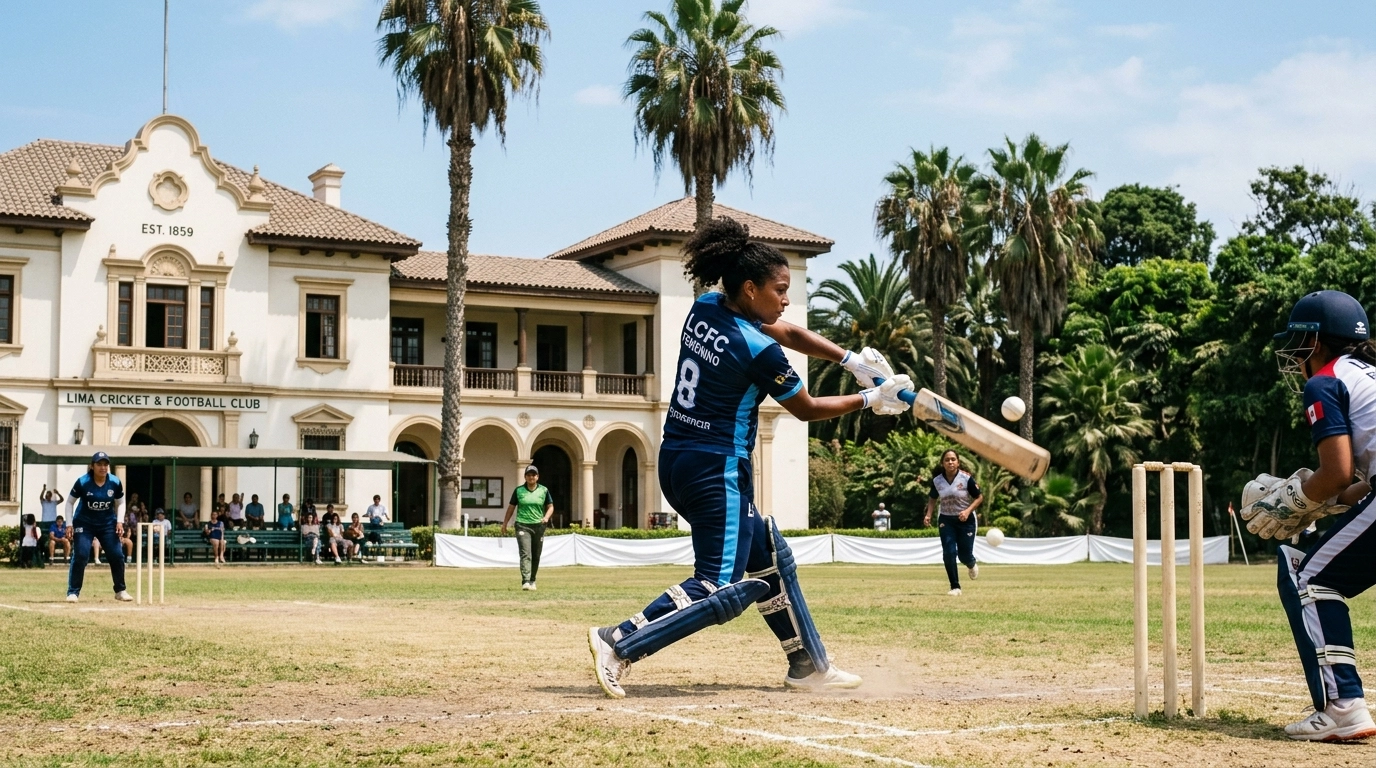
The growth of women’s cricket in Peru highlights the sport’s power to bring people together and build confidence. Images regenerated using AI based on the original story. (Image width: 600px)
Her next chapter unfolded in the United Kingdom, where she became the first female coach of colour at the Brighton and Hove Cricket Club. It was an important step, but not an easy one, as racism and sexism within the sporting system still had to be confronted with resilience and professionalism. At the same time, cricket became deeply personal. After losing her mother in Sri Lanka, coaching and mentoring young players gave her a sense of healing and purpose. Through girls-only camps and a clear focus on inclusion, especially for those from minority backgrounds, she helped make the path a little easier for the next generation.
Now based in Cambodia, where her husband serves as the British Ambassador, Dole-Williams is working to build cricket in a country still living with the long shadow of its past. In areas near the Thailand-Cambodia border, including displacement communities, the game has been introduced as a way to support girls who are often limited by traditional gender expectations. Cricket gives them a chance to build resilience, confidence, and leadership skills, proving that the lessons of sport can carry far beyond the boundary rope.
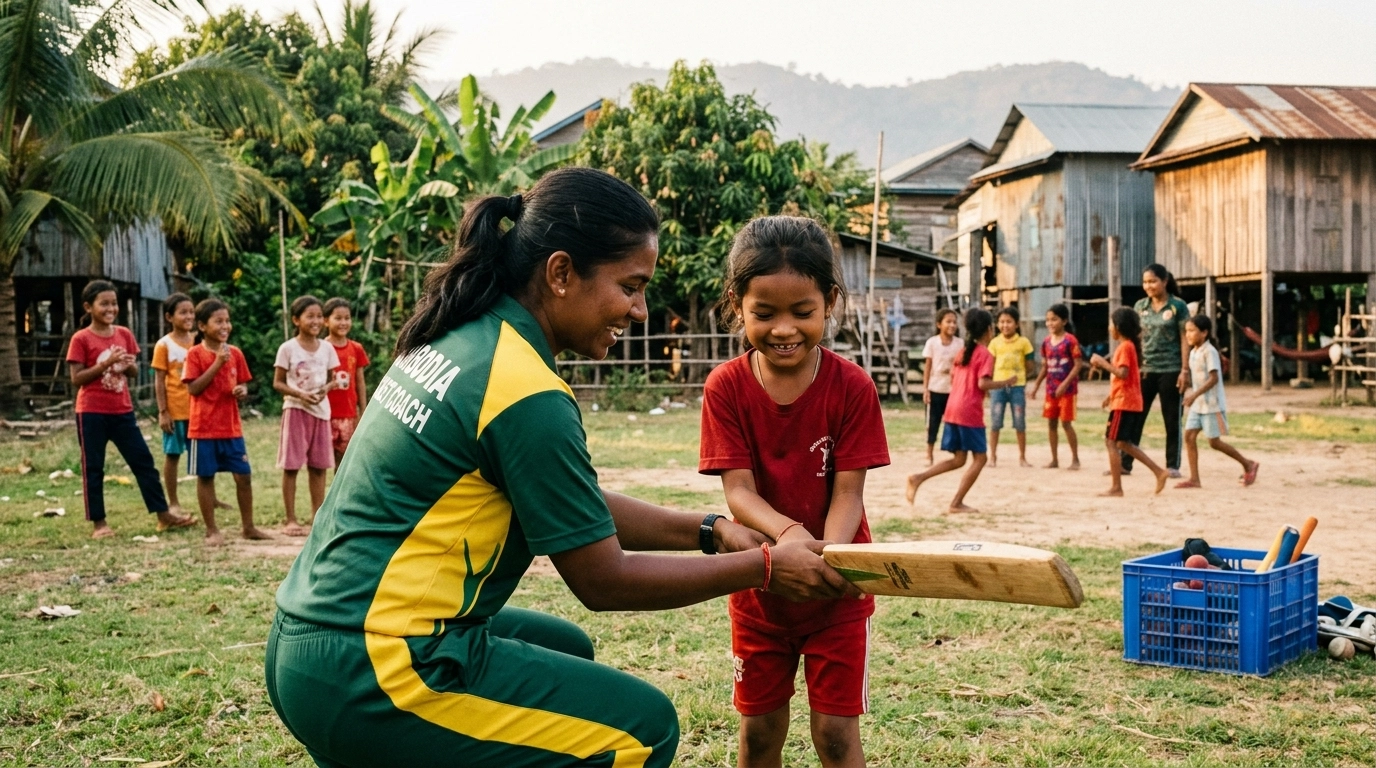
In Cambodia, cricket is opening up new possibilities for hope, confidence, and leadership among young women. Images regenerated using AI based on the original story. (Image width: 600px)
A major focus for Dole-Williams remains the professional growth of women’s cricket. Her message is clear: the talent is there, the passion is there, but the investment and support still need to catch up. From sponsorships to grassroots facilities, stronger structures are needed if female athletes are to build lasting careers in the game. For Sri Lanka too, the success of stars such as Chamari Athapaththu should be seen not as isolated moments, but as signs of what is possible with the right backing.
Her hopes for Cambodia also go beyond cricket. Drawing on the country’s history of female leadership, she has spoken of wanting to see a woman become Prime Minister in her lifetime. In that sense, sport and leadership are closely linked. The confidence, decision-making, teamwork, and calm under pressure developed on the field are the same qualities needed in public life and national progress.
The link between diplomacy and sport creates a meaningful platform for international social change. Images regenerated using AI based on the original story. (Image width: 600px)
In her conversation with Savithri Rodrigo, Nilma Dole-Williams ultimately leaves a simple but powerful message: change is possible, even when the path is difficult. Her journey, from Sri Lanka to Peru, Britain, and Cambodia, shows how sport can help break barriers and create opportunities for women and girls. When she speaks about picking up a bat, she is speaking about much more than cricket. She is speaking about confidence, dignity, and the courage to reshape society.
As we celebrate such stories of resilience and impact, eLanka remains committed to providing a platform for the global Sri Lankan diaspora to share and celebrate these positive narratives. Whether through our Business Directory or our dedicated Events Listings, we invite our members to participate in the ongoing mission of bringing our community together through shared heritage and outstanding value.
Author: Savithri Rodrigo
Original source: https://www.themorning.lk/articles/33DBN3Bx7fcMAyNkfJQz
Source: https://www.themorning.lk/articles/33DBN3Bx7fcMAyNkfJQz
This article was written based on the source https://www.themorning.lk/articles/33DBN3Bx7fcMAyNkfJQz, kindly email us at info@eLanka.com.au if any information needs to be corrected.
If you have any corrections or would like to provide feedback on this article, please email us at info@eLanka.com.au.
At eLanka, we respect the rights of creators. If we have used an image you own and you’d like it removed, please email us at info@elanka.com.au and we’ll handle it promptly.


