
The environmental trajectory of Sri Lanka has recently been illuminated on the global stage, as the United Nations has extended significant commendation for the island nation’s proactive climate action and its innovative environmental conservation programmes. This recognition serves as a testament to the nation’s burgeoning role as a regional leader in sustainability, particularly through its dedicated efforts to integrate the younger generation into the vital work of ecological preservation.
During a series of high-level engagements at international forums, Sri Lanka’s strategic vision for a greener future was presented with meticulous detail, garnering praise from various UN agencies and global stakeholders. The acknowledgement of these initiatives is not merely a symbolic victory but is instrumental in positioning the country to attract significant green investments and international climate financing, which are essential for its long-term economic and environmental resilience.
International Recognition at UNESCAP and UNDESA
The global recognition of Sri Lanka’s environmental stewardship was prominently highlighted following the participation of Environment Deputy Minister Anton Jayakody at the 9th Session of the United Nations Economic and Social Commission for Asia and the Pacific (UNESCAP) Committee on Environment and Development. This significant summit, which was convened in Bangkok, Thailand, from June 30 to July 4, provided a platform for Sri Lanka to demonstrate its unwavering commitment to the 2030 Agenda for Sustainable Development and the Paris Agreement.
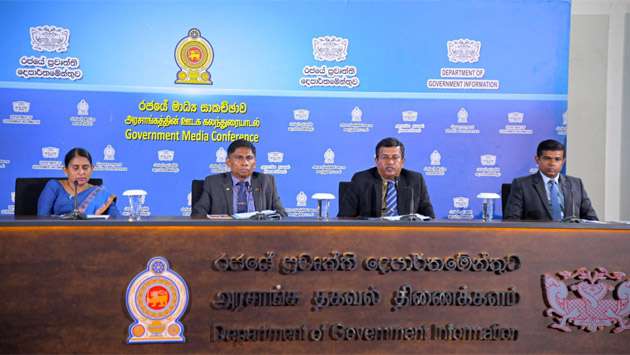
Accompanied by a senior delegation including Environment Ministry Secretary K.R. Uduwawala and Additional Secretaries Anjali Kumaragama and Udayakumara, Deputy Minister Jayakody reaffirmed the nation’s resolve to implement transformative environmental policies. At the 7th Global SDG Conference, which was organised by the United Nations Department of Economic and Social Affairs (UNDESA), the delegation presented the updated Nationally Determined Contributions (NDC 3.0), covering the period from 2026 to 2035. This framework is replete with ambitious targets aimed at decarbonising the national economy and fostering a climate-resilient society.
The Pillars of NDC 3.0: Renewables, Transport, and Agriculture
The cornerstone of Sri Lanka’s environmental strategy is found within its ambitious NDC 3.0 framework, which outlines a comprehensive roadmap for the next decade. Central to this plan is the objective of generating 70% of the nation’s electricity from renewable energy sources by the year 2030. This shift from traditional fossil fuels is seen as an essential component of the country’s transition toward carbon neutrality, which is projected to be achieved by 2050.
Furthermore, the electrification of the transport sector has been identified as a priority area, with policies being formulated to encourage the adoption of electric vehicles and the expansion of sustainable public transit systems. By reducing the carbon footprint of the transportation network, Sri Lanka seeks to mitigate urban air pollution while simultaneously decreasing its reliance on imported petroleum products.
In the realm of agriculture, the government is championing the promotion of climate-resilient smart agriculture. This initiative involves the integration of modern technology and sustainable farming practices to ensure food security in the face of increasingly unpredictable weather patterns. By empowering farmers with tools for efficient water management and soil health monitoring, the nation aims to build a robust agricultural sector that can withstand the rigours of a changing climate.

Embracing the Blue Economy and Coastal Protection
As an island nation, the protection of coastal ecosystems is of paramount importance to Sri Lanka. The government has articulated a sophisticated strategy for developing a “Blue Economy,” which focuses on the sustainable use of ocean resources for economic growth while preserving the health of marine environments. A significant portion of this strategy involves the protection and restoration of mangroves, which are instrumental in carbon sequestration and serve as vital buffers against coastal erosion and storm surges.
During the UNESCAP Committee session and the High-Level Dialogue on Blue Carbon Financing, Sri Lanka’s efforts to establish carbon market mechanisms through mangrove conservation were highly lauded. These ecosystems, often described as the “lungs of the coast,” represent a unique opportunity for the country to participate in global blue carbon markets, thereby generating revenue that can be reinvested into further conservation efforts.
The strategic support sought from the UNEP Regional Director for Asia and the Pacific is expected to facilitate the development of these blue carbon initiatives. By leveraging international expertise and technical assistance, Sri Lanka is poised to enhance its capacity for monitoring coastal biodiversity and managing marine resources in a manner that is both sustainable and economically viable.
Youth Engagement and Environmental Literacy
Perhaps one of the most celebrated aspects of Sri Lanka’s recent environmental reportage is the special recognition received from the UNEP Asia-Pacific Region regarding the country’s national programme to involve youth in environmental action. The United Nations has praised this initiative as an essential step toward building a society that is not only aware of environmental challenges but is also actively engaged in solving them.
The development of the National Environmental Literacy Index is a key component of this educational outreach. By fostering a deep understanding of ecological principles among students and young professionals, the Ministry of Environment is ensuring that the leaders of tomorrow are equipped with the knowledge necessary to champion sustainable development. Youth leadership programmes and plastic pollution control initiatives have been designed to provide practical experience, allowing the Global Sri Lankan community of young activists to make a tangible impact on their local environments.
Unlocking New Horizons for Climate Financing
The commendation from the United Nations is not merely an academic accolade; it serves as a critical catalyst for the mobilization of international financial resources. Deputy Minister Anton Jayakody has noted that the successful international engagement has created new pathways for attracting green investments and climate financing. This includes potential support through the future Global Environment Facility (GEF-9) projects, which are expected to target pressing issues such as air pollution and plastic waste management.
By demonstrating a clear and committed roadmap through NDC 3.0, Sri Lanka has established itself as a credible partner for multilateral organizations like the Green Climate Fund (GCF) and the Adaptation Fund. These financial mechanisms are vital for implementing large-scale projects that require substantial capital, such as renewable energy infrastructure and the large-scale restoration of degraded ecosystems. The ability to access these funds is a significant milestone for the nation, particularly given the current global economic climate where fiscal space for environmental projects can often be limited.
A Collective Vision for a Sustainable Future
The achievements of Sri Lanka on the international stage are a source of pride for Sri Lankans living in Australia and across the globe. The transition toward a greener economy is a shared journey that requires the participation of government, industry, and the community at large. As eLanka continues to share and celebrate these positive stories, it is evident that the nation’s environmental leadership is not only protecting its natural heritage but is also paving the way for a more prosperous and sustainable future.
The ongoing commitment to innovation, such as the electrification of transport and the promotion of a circular economy, reflects a sophisticated understanding of the interconnectedness between environmental health and economic vitality. Through continued collaboration with international partners and the steadfast engagement of its citizens, Sri Lanka is well-positioned to meet the challenges of the 21st century while serving as an inspiring example of environmental resilience for the rest of the world.
Source: https://www.dailymirror.lk/breaking-news/UN-praises-Sri-Lankas-green-initiatives-opens-doors-for-new-climate-financing/108-345184
This article was written based on the source https://www.dailymirror.lk/breaking-news/UN-praises-Sri-Lankas-green-initiatives-opens-doors-for-new-climate-financing/108-345184, kindly email us at info@eLanka.com.au if any information needs to be corrected.
At eLanka, we respect the rights of creators. If we have used an image you own and you’d like it removed, please email us at info@elanka.com.au and we’ll handle it promptly.


