
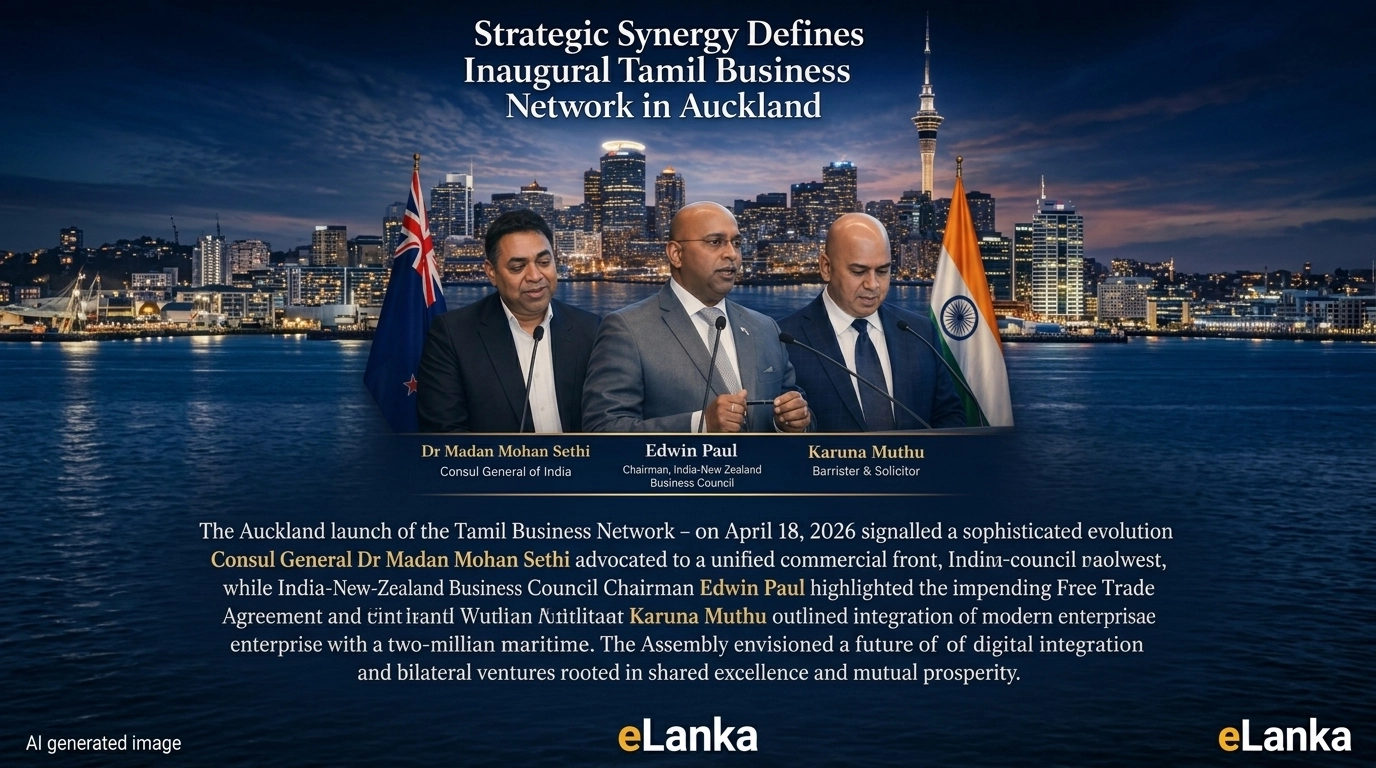
The inaugural assembly of the Tamil Business Network in Auckland has marked a significant milestone in the evolving economic landscape of the South Pacific, signalling a sophisticated transition in the bilateral relationship between India and New Zealand. This strategic initiative, convened on 18 April 2026, served as a platform for prominent diplomatic and commercial figures to articulate a vision replete with collaborative potential and historical resonance.
The event was characterised by a formal atmosphere where the traditional foundations of trade were scrutinised and reimagined through a modern, digital lens. It was observed that the burgeoning Tamil business community in New Zealand is poised to become instrumental in bridging the remaining gaps in trade and diplomatic connectivity, moving beyond the mere exchange of primary commodities towards a more integrated synergy of political and commercial intelligence.
A Vision for Integrated Economic Synergy
During the proceedings, Dr Madan Mohan Sethi, the Consul General of India in Auckland, delivered a comprehensive address that emphasised the necessity for an inclusive evolution of the business landscape. It was posited by Dr Sethi that the true economic power of the Indian Diaspora remains a significant reservoir that is yet to be properly utilised within the New Zealand context. By advancing in unison, it is anticipated that both nations can cultivate a shared prosperity that integrates indigenous commercial perspectives with global market demands.
Drawing upon a wealth of diplomatic experience, Dr Sethi highlighted the transformative power of proactive engagement by citing the remarkable growth of trade between India and Vietnam, which surged from a modest US$ 200 million in 2000 to an extraordinary US$ 16.46 billion by 2025. Such historical milestones are regarded as achievable for New Zealand, provided that high-level ministerial exchanges, such as the visits by the Indian President Droupadi Murmu and External Affairs Minister Dr Subrahmanyam Chandrashekar, continue to pave the way for deeper institutional ties.
Strategic Shifts and the Free Trade Agreement
The discourse further delved into the technicalities of international commerce with insights from Edwin Paul, the President of the India-New Zealand Business Council. A focal point of his presentation was the announcement that a historic Free Trade Agreement (FTA) between the two nations was concluded in a record time of nine months, with the formal signing scheduled to occur in New Delhi on 27 April 2026. This legislative framework is expected to provide the necessary structure for a proactive stance amongst entrepreneurs, who were urged to look beyond traditional exports like timber and meat.
The future of the bilateral relationship is increasingly seen as being rooted in digital and sustainable infrastructure. Discussions regarding the implementation of the United Payments Interface (UPI) system within New Zealand suggest a forthcoming revolution in financial transactions. Furthermore, the push for renewable energy in India, particularly the mandate for electric two-wheeled vehicles by 2030, presents substantial prospects for New Zealand firms specialising in charging infrastructure and battery technology.
The “Delhi Plus One” Strategy and Tamil Nadu’s Industrial Prowess
A central pillar of the modern commercial strategy discussed was the “Delhi Plus One” approach, which encourages international businesses to venture beyond the traditional hubs of the capital and Mumbai. Tamil Nadu has emerged as a pre-eminent destination for such investment, characterised by a professional and dynamic administrative environment. State agencies like Guidance Tamil Nadu, staffed by a youthful and efficient workforce, exemplify the modern face of Indian commerce.
The manufacturing sector in Tamil Nadu now exports to 180 countries, with a significant proportion of global electronics, including iPhones, being produced in regions such as Siriperumpudur. It was noted with particular emphasis that the workforce in these facilities is remarkably inclusive, with women comprising nearly 80% of the employees at major plants. This commitment to social empowerment and engineering excellence provides a robust foundation for the Tamil Diaspora in New Zealand to engage with their heritage through a lens of modern industrial pride.
Historical Legacy and Modern Entrepreneurship
The launch was not merely a discussion of contemporary economics but also an acknowledgement of a profound historical legacy. Karuna Muthu, a Wellington-based Barrister and Solicitor, provided a compelling narrative connecting the seafaring traditions of the Maori people with the ancient maritime history of the Tamilakam coastlines. This cultural symmetry suggests that the Tamil philosophy of global kinship has underpinned their trade practices for over two millennia.
This ancestral intellect has transitioned seamlessly from the spice trade of antiquity to the complex algorithms of the modern era. The Diaspora is now viewed as a leading force in global capital and technology sectors, with Tamil resilience and integrity becoming synonymous with success in international financial centres. The creation of the Tamil Business Network is thus seen as a strategic shift towards entrepreneurial synergy, ensuring that the community prospers within a professional ecosystem.
Cultivating the Future Generation
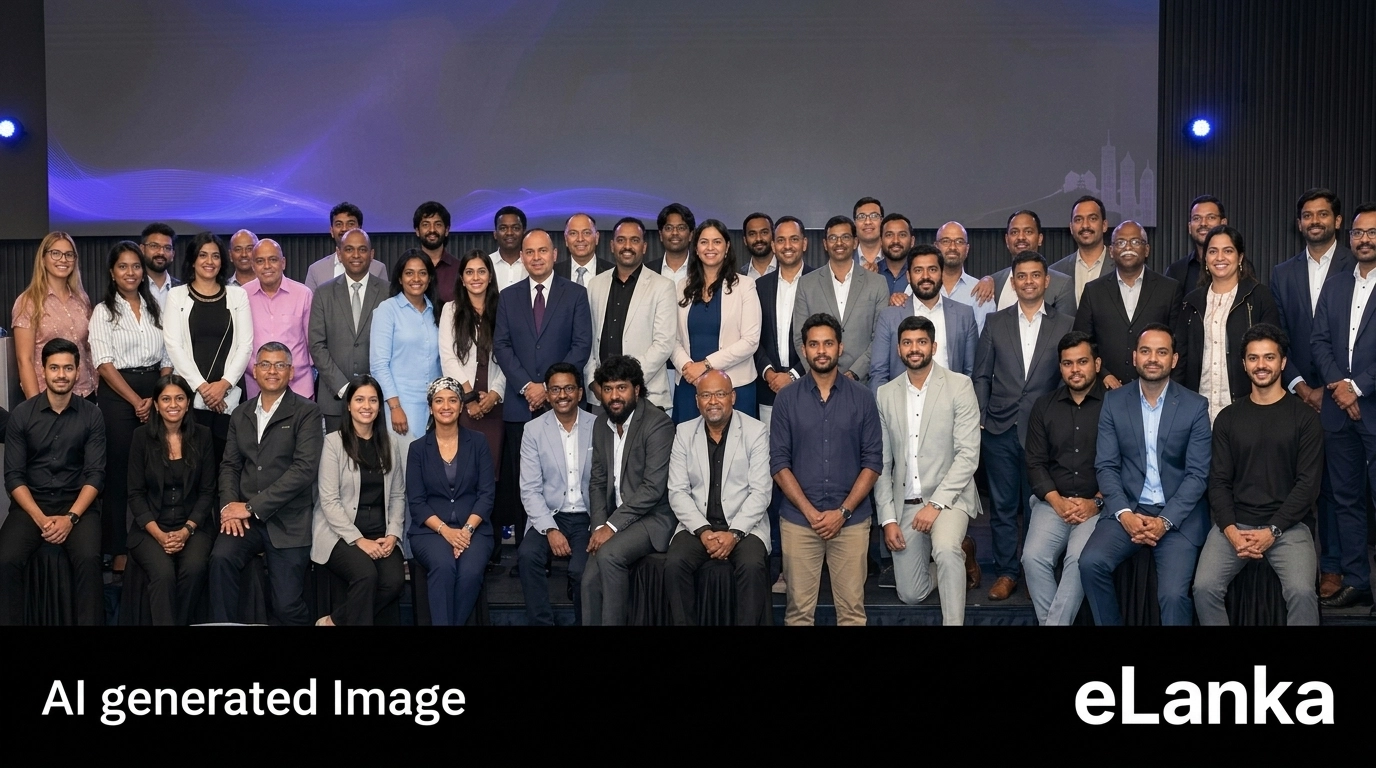
The vision for the network, as articulated by its founder Uthaman Thirugnanam, is focused on the cultivation of a professional garden where commercial opportunities can flourish. Mr Thirugnanam, who serves as the Managing Director of Fine Laser Cutting Services, expressed a commitment to fostering unity and collective progress. The network aims to move beyond simple participation in the economy to becoming a cradle for creators.
Through structured mentorship and guidance, the initiative intends to support young Tamils in New Zealand, ensuring that the next generation is equipped with the skills and networks necessary to excel in a competitive global market. The participation of thirty-five diverse businesses, ranging from professional services to manufacturers and importers, underscores the breadth of the talent pool available within the community.
The inauguration of the Tamil Business Network represents a pivotal moment for the South Asian community in Auckland. As the diplomatic landscape experiences a tectonic shift and new trade agreements come into force, the role of such community-led organisations becomes increasingly vital. The synergy of ancient heritage and modern innovation remains the antithesis of stagnant commerce, promising a future of dynamic growth and shared prosperity.
For more updates on community initiatives and business opportunities, stay connected with eLanka, your premier bridge to the Sri Lankan and South Asian diaspora.
Recreated from Source: Indian Newslink
Kindly email us at info@eLanka.com.au if any information needs to be corrected.
At eLanka, we respect the rights of creators. If we have used an image you own and you’d like it removed, please email us at info@elanka.com.au and we’ll handle it promptly.


