
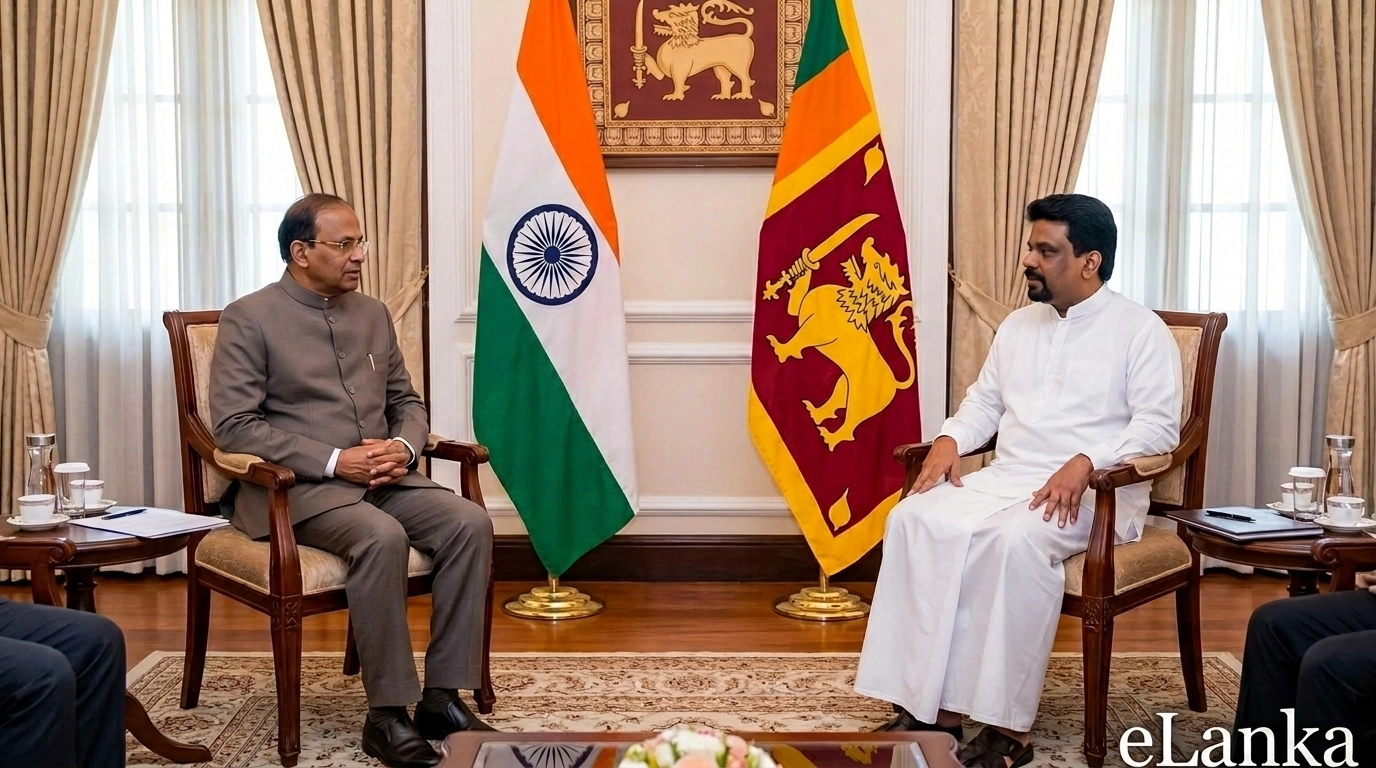
On the nineteenth of April 2026, a significant milestone in the diplomatic history of the Indian Ocean region was achieved as the Indian Vice President, C.P. Radhakrishnan, arrived in Colombo for a comprehensive two-day official visit. This visit is particularly noteworthy as it represents the first bilateral engagement of an Indian Vice President with Sri Lanka in recent years, underscoring the prioritisation of the island nation within India’s “Neighbourhood First” policy. The primary focus of the itinerary was a high-level meeting with the Sri Lankan President, Anura Kumara Dissanayake, at the Presidential Secretariat, where a wide range of bilateral issues, regional security concerns, and socio-economic collaborations were meticulously deliberated.
The engagement between Vice President Radhakrishnan and President Dissanayake occurred against a backdrop of strengthening ties that have been fostered over decades of mutual cooperation and shared historical heritage. During the proceedings, the Vice President conveyed the warm greetings of the Indian leadership and reaffirmed India’s commitment to standing as a reliable partner in Sri Lanka’s journey toward economic stability and regional prominence. This diplomatic gesture is seen by analysts as a continuation of the robust engagement that has characterised the relationship between New Delhi and Colombo, particularly in the post-pandemic era where economic resilience has become a central pillar of statecraft.
The Institutional Framework of “Neighbourhood First”
The “Neighbourhood First” policy, which has been the cornerstone of Indian foreign policy under the current administration, serves as the overarching framework for this high-profile visit. Within this strategic paradigm, Sri Lanka occupies a position of paramount importance, acting as a gateway to the Indian Ocean and a vital partner in ensuring maritime security. The discussions in Colombo were replete with references to the “Vision MAHASAGAR,” an acronym for Security and Growth for All in the Region, which highlights the collective responsibility of littoral nations to maintain peace and stability in one of the world’s most critical maritime corridors.
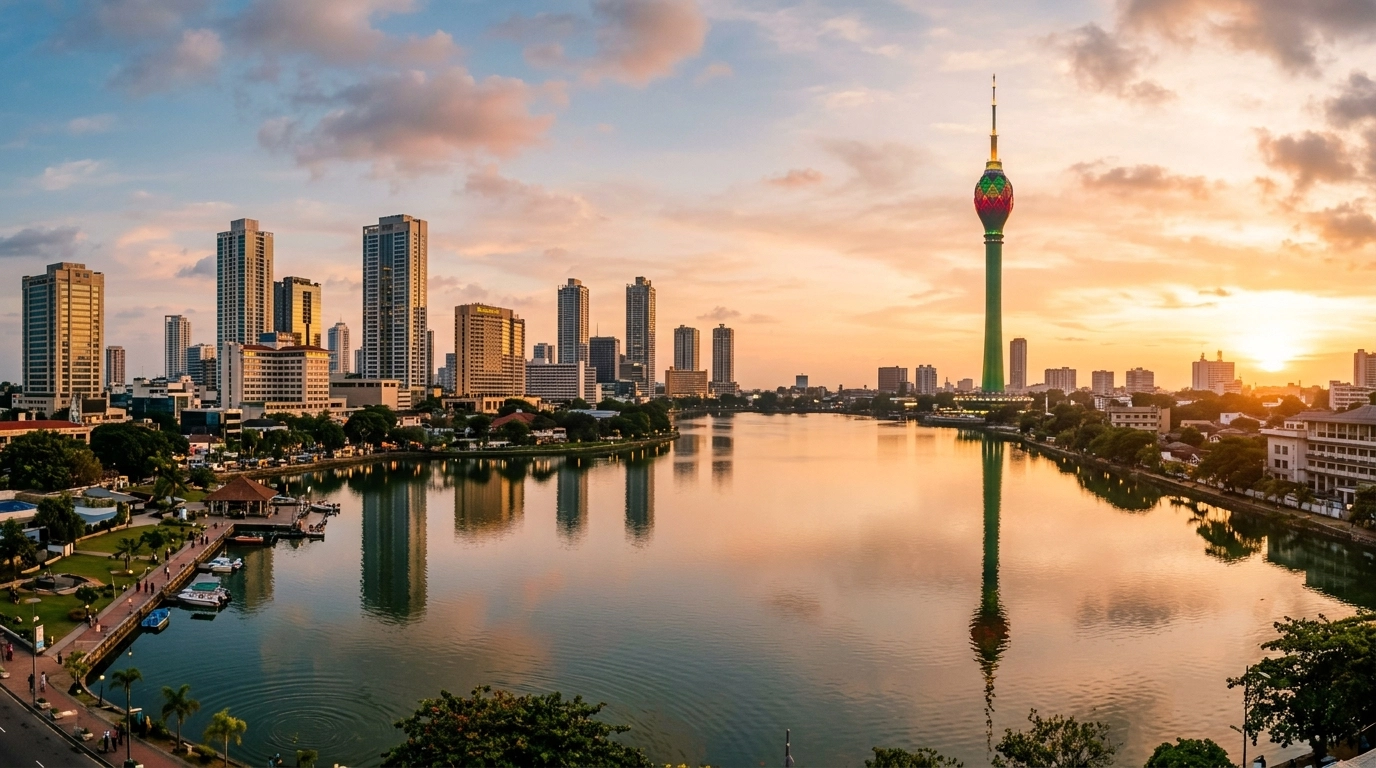
It was observed that the dialogue extended beyond mere rhetoric, touching upon concrete measures to enhance connectivity and economic integration. The two leaders explored the potential for deeper collaboration in energy security, digital infrastructure, and the development of port facilities. The geographical proximity of the two nations, separated only by the narrow Palk Strait, necessitates a high degree of coordination in areas such as fisheries management and environmental protection. Such collaborations are instrumental in mitigating the challenges posed by non-traditional security threats, including climate change and illegal maritime activities.
Historical Context and Civilisational Ties
To understand the contemporary dynamics of India-Sri Lanka relations, one must look back at the millennia-old civilisational and people-to-people ties that form the bedrock of their interaction. The meeting between Radhakrishnan and Dissanayake was a symbolic reaffirmation of these ancient links, which encompass shared religious traditions, linguistic commonalities, and a rich history of trade and cultural exchange. It is through this lens of historical continuity that modern diplomatic efforts are often interpreted, providing a sense of legitimacy and depth to current political negotiations.
The cultural diplomacy aspect of the visit was further highlighted by the Vice President’s scheduled interactions with various community leaders. These engagements serve to strengthen the cultural bridge that connects the two populations, ensuring that diplomatic ties are not merely restricted to the upper echelons of government but are grounded in the lived experiences of the people. The civilisational narrative was invoked to remind both parties of the shared destiny that binds the South Asian region, emphasizing that the prosperity of one nation is inextricably linked to the stability of its neighbours.
Addressing Socio-Economic Challenges and Disaster Recovery
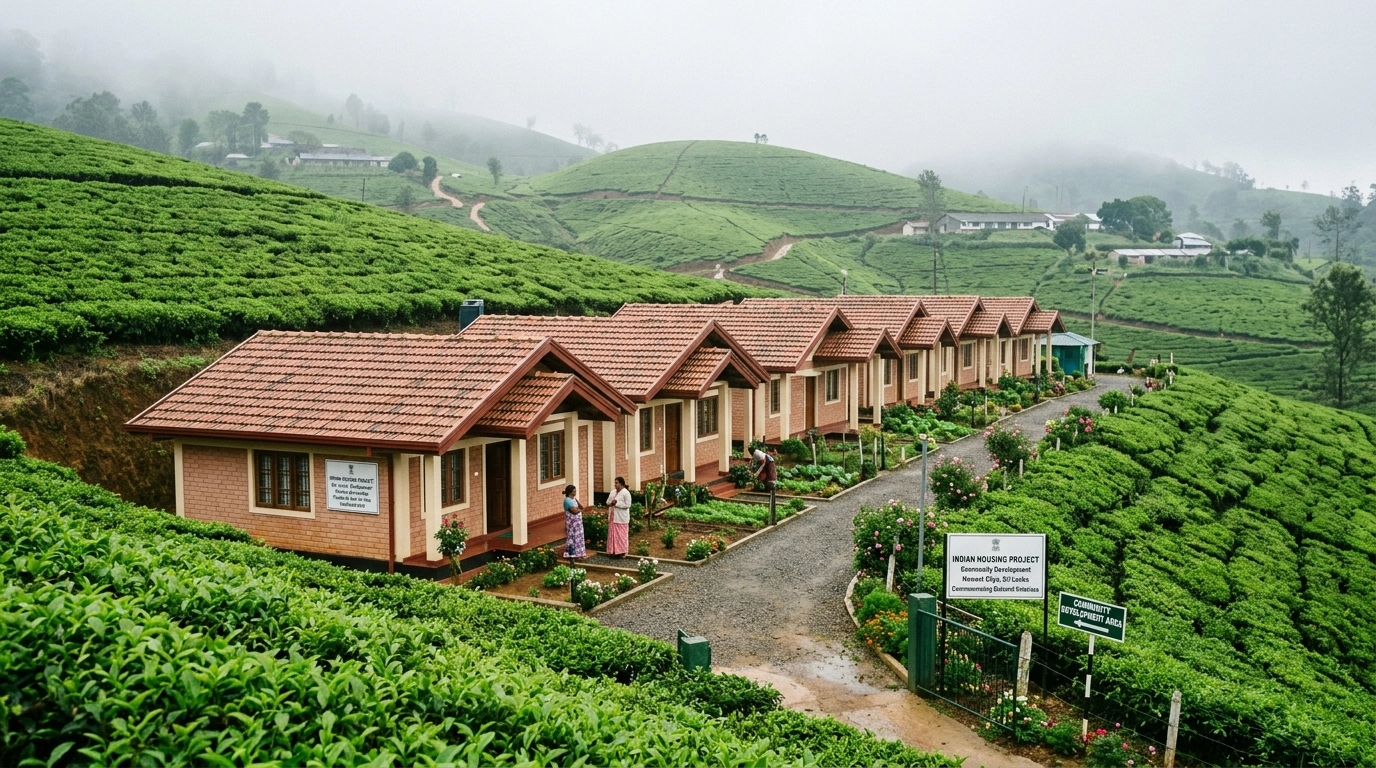
A significant portion of the bilateral discussion was dedicated to the ongoing socio-economic projects supported by the Indian government. A highlight of the visit was the virtual handover of several thousand houses built under the Indian Housing Project Phase III. This initiative, which aims to provide dignified living conditions for the worker communities in the plantation sectors, is a testament to the tangible benefits of Indian assistance. Furthermore, the Vice President announced the progress of Phase IV, which involves the construction of an additional 10,000 homes, bringing the total commitment to a staggering 50,000 units.
In a poignant display of solidarity, the Vice President also launched rehabilitation projects aimed at assisting those who were severely affected by the recent Cyclone ‘Ditwah’. The cyclone, which caused widespread devastation across the coastal and inland regions of Sri Lanka, necessitated an urgent and coordinated response. India’s swift provision of relief materials and technical expertise during the aftermath of the storm was acknowledged by President Dissanayake as a reflection of the deep-seated friendship between the two nations. These acts of assistance are viewed not merely as charity, but as essential components of a strategic partnership that prioritises human security and regional resilience.
Engagement with the Indian-Origin Tamil Community
The Vice President’s itinerary included a visit to Nuwara Eliya, the heart of Sri Lanka’s tea country, to interact with the Indian-origin Tamil (IOT) community. This demographic group, which has contributed significantly to the Sri Lankan economy through the plantation sector for nearly two centuries, remains a focal point of India’s development assistance. By visiting project sites and engaging directly with the beneficiaries of the housing and healthcare programmes, Vice President Radhakrishnan demonstrated the Indian government’s commitment to the welfare of the diaspora and the broader Tamil community in the Northern and Eastern provinces.
These engagements are often perceived as a delicate balance between respecting the sovereignty of the Sri Lankan state and addressing the historical and humanitarian concerns of a community with deep ancestral links to India. The discussions between the two leaders reportedly included progress on the devolution of power and the implementation of constitutional provisions that ensure the rights and dignity of all ethnic groups within a unified Sri Lanka. Such dialogues are essential for long-term peace and reconciliation, which are prerequisites for the sustainable economic growth that President Dissanayake’s administration seeks to achieve.
Strategic Vision and Maritime Cooperation
As part of the broader strategic overview, the meeting in Colombo addressed the evolving security architecture of the Indo-Pacific region. The “Vision MAHASAGAR” framework was discussed in detail, with both sides agreeing on the necessity of a rules-based maritime order that ensures the freedom of navigation and overflight. The role of the Colombo Security Conclave, a regional security grouping that includes India, Sri Lanka, and other neighbouring states, was underscored as a vital mechanism for tackling common threats such as maritime terrorism, piracy, and drug trafficking.
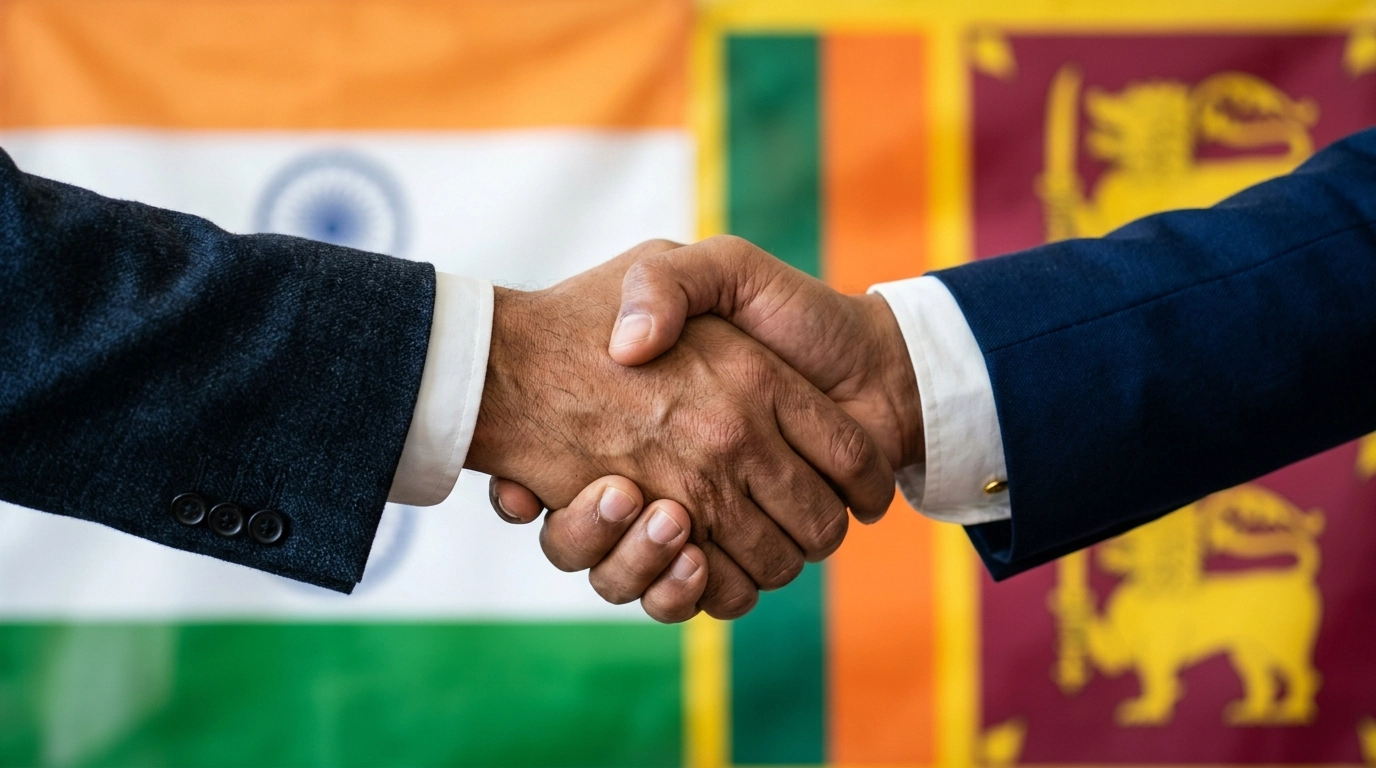
The emphasis on maritime security is particularly relevant given the strategic location of Sri Lanka’s ports, such as Colombo and Hambantota, which sit astride major international shipping lanes. The collaboration between the two nations in developing port infrastructure and enhancing maritime domain awareness is crucial for maintaining the economic vitality of the region. It is anticipated that the outcomes of this visit will lead to increased joint naval exercises and enhanced intelligence sharing, further consolidating the security partnership.
Future Prospects and Conclusion
The visit of Vice President C.P. Radhakrishnan to Colombo concludes with a sense of renewed optimism for the future of India-Sri Lanka relations. The comprehensive nature of the discussions, spanning from high-level strategic planning to grassroots-level housing projects, illustrates a multifaceted partnership that is both resilient and adaptive. As Sri Lanka continues its path towards economic recovery under the leadership of President Anura Kumara Dissanayake, the support and partnership of India will remain an instrumental factor in achieving national objectives.
In summary, the bilateral ties between India and Sri Lanka are characterised by a unique blend of historical depth and modern strategic necessity. The meeting in Colombo served to reinforce the idea that the “Neighbourhood First” policy is not merely a diplomatic slogan but a lived reality that brings tangible benefits to the citizens of both nations. By focusing on shared prosperity, regional stability, and cultural heritage, the two countries are well-positioned to navigate the complexities of the twenty-first century together.
At eLanka, we respect the rights of creators. If we have used an image you own and you’d like it removed, please email us at info@elanka.com.au and we’ll handle it promptly.


