
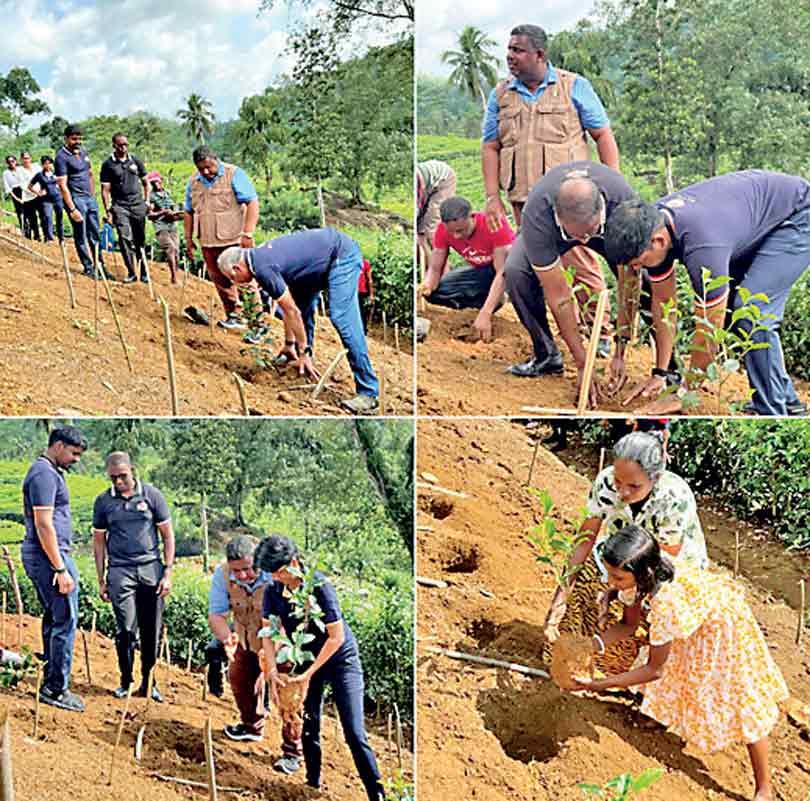
In a profound demonstration of reverence for the storied history of the island’s most celebrated export, Basilur Tea officially launched its ‘Roots of Ceylon’ initiative on 25 May 2026. This landmark event, held at the picturesque Bucsh Tea Estate in Baddegama, was meticulously timed to coincide with the global observations of International Tea Day. By planting exactly 202 tea saplings, the organisation sought to commemorate the 202nd anniversary of the tea industry in Sri Lanka, a sector that has remained the bedrock of the national economy and a symbol of cultural identity since its inception in the early 19th century.
The ‘Roots of Ceylon’ initiative is not merely a symbolic gesture of agricultural expansion; rather, it represents a comprehensive commitment to the preservation of heritage and the advancement of sustainable practices. The ceremony was replete with a sense of historical gravitude, as members of the Basilur Tea leadership team joined forces with the families of estate workers to ground these new plants. Under the thematic banner of ‘Fostering Growth and Inclusion’, the event highlighted the indispensable role of the tea-growing community, ensuring that those who reside at the very heart of production are recognised as the primary custodians of the industry’s future.
The Historical Significance of 202 Years
To appreciate the magnitude of the ‘Roots of Ceylon’ initiative, one must reflect upon the chronological trajectory of tea in Sri Lanka. It was in 1824 that the first tea plant was brought to the island by the British from China, initially housed within the Royal Botanical Gardens in Peradeniya for non-commercial purposes. However, it was not until the devastating coffee rust fungus decimated the coffee plantations in the 1860s that tea emerged as the instrumental saviour of the colonial economy. The pioneering efforts of James Taylor at the Loolecondera Estate in 1867 marked the official dawn of the commercial era, setting the stage for what would eventually be known globally as “Ceylon Tea.”
As the industry celebrates 202 years since those first botanical arrivals, the landscape has evolved from a colonial enterprise into a sophisticated, modern sector. Basilur Tea, through this plantation drive in Baddegama, acknowledges that the longevity of this 202-year legacy is contingent upon the continuous renewal of the soil and the soul of the estates. The choice of planting 202 bushes serves as a living monument to the resilience of the industry, which has navigated global conflicts, economic fluctuations, and environmental challenges to remain the antithesis of ephemeral trends.
Bucsh Tea Estate: A Setting of Natural Splendour
The selection of the Bucsh Tea Estate in Baddegama as the venue for this initiative underscores the geographical diversity of Sri Lanka’s tea-growing regions. While the high-grown teas of Nuwara Eliya and Dimbula often command international headlines, the low-grown teas from the Southern province, such as those nurtured in the fertile soils of Baddegama, possess a distinct character. These teas are renowned for their dark, rich appearance and strong, full-bodied flavour profile, traits that are highly sought after in markets across the Middle East and Eastern Europe.
The Bucsh Tea Estate serves as a quintessential example of how traditional cultivation methods can be harmoniously integrated with modern ecological standards. During the ‘Roots of Ceylon’ ceremony, the physical state of the setting was observed to be in peak condition, with the verdant hills of Baddegama providing a serene backdrop for the day’s activities. The act of planting new saplings in this specific locale ensures that the unique genetic and environmental heritage of the Southern low-grown variety is preserved for generations to come.
Fostering Growth and Inclusion
A central pillar of the ‘Roots of Ceylon’ initiative is the theme of ‘Fostering Growth and Inclusion’. It is a well-documented fact that the tea industry has historically faced criticisms regarding the welfare and social mobility of its workforce. By actively involving the families of the estate workers in the ceremonial planting, Basilur Tea has taken a decisive step towards a more inclusive model of corporate social responsibility. This approach ensures that the “inclusion” aspect is not merely a corporate buzzword but a tangible reality for the individuals whose livelihoods are inextricably linked to the land.

The participation of children and spouses of the estate staff alongside senior management signifies a bridging of the traditional hierarchical divide. It fosters a sense of collective ownership over the new plantation, instilling a pride of place among the younger generation who may one day lead the industry into its third century. Furthermore, this focus on the human element is instrumental in addressing the demographic shifts and labour challenges currently facing the sector. By elevating the status of the estate worker to that of a valued partner in the ‘Roots of Ceylon’ journey, the initiative promotes long-term social stability within the community.
Basilur Tea and Global Sustainability
In the modern era, the global consumer is increasingly discerning, seeking products that are not only of superior quality but are also ethically and sustainably produced. Basilur Tea has long been at the vanguard of this movement, combining innovative packaging with a steadfast commitment to the purity of Ceylon Tea. The ‘Roots of Ceylon’ campaign extends this vision by linking commercial success with environmental rejuvenation.
The 202 plants added to the Bucsh Tea Estate represent a small but significant contribution to the broader goals of reforestation and carbon sequestration within the agricultural sector. As the global community grapples with the effects of climate change, the tea industry must adapt by enhancing its biodiversity and soil health. Basilur’s proactive stance in planting new bushes serves as a call to action for other industry stakeholders to invest in the primary source of their wealth, the earth itself.

Connecting the Diaspora with Heritage
For the Sri Lankan community living in Australia, Canada, the United Kingdom, and beyond, news of such initiatives provides a vital link to their ancestral roots. At eLanka, our mission is to share and celebrate these positive stories that highlight the innovation and resilience of our homeland. The ‘Roots of Ceylon’ project is a testament to the fact that Sri Lanka is not only preserving its history but is also actively constructing a sustainable future.
We encourage our members to support these initiatives by exploring the wide range of Ceylon Tea products available through our platforms. Whether you are looking for a taste of home or a gift for a loved one, the offerings from Basilur Tea represent the pinnacle of Sri Lankan craftsmanship. Our eLanka Shop provides a convenient gateway to purchase these premium products, ensuring that the benefits of the tea industry reach the global community.
Comprehensive Community Services
Beyond the celebration of our agricultural heritage, eLanka remains dedicated to serving the diverse needs of the Sri Lankan diaspora. Our platform is a comprehensive digital hub offering a variety of services designed to foster success and connection.
The ‘Roots of Ceylon’ initiative serves as a reminder that like the tea plant itself, our community thrives when it is deeply rooted in heritage yet reaches upward toward new opportunities. As we mark 202 years of Ceylon Tea, we celebrate the hands that harvest, the minds that innovate, and the hearts that remain connected to our beautiful island.
Source: https://www.dailymirror.lk/business-news/Basilur-Tea-marks-Intl-Tea-Day-with-Roots-of-Ceylon-launch/273-341109, kindly email us at info@eLanka.com.au if any information needs to be corrected.
At eLanka, we respect the rights of creators. If we have used an image you own and you’d like it removed, please email us at info@elanka.com.au and we’ll handle it promptly.


