
The migration of the Sri Lankan community to the Australian continent represents a significant demographic movement that has flourished since the mid-20th century, resulting in a vibrant diaspora that is deeply integrated into the socio-economic fabric of the nation. As of 2026, the Sri Lankan Australian community is characterised by a unique synthesis of heritage and adaptation, where ancestral traditions are meticulously preserved within the context of a modern, multicultural society. This community, predominantly concentrated in major urban centres such as Melbourne and Sydney, has developed a series of cultural markers, distinct “signs”, that signify its presence and the enduring strength of its heritage. This article explores these identifiers through a sociological lens, providing a comprehensive overview of the modern Sri Lankan Australian experience.
1. The Archiving of Gastronomic Heritage: The ‘Short Eats’ Reservoir
In the domestic sphere of the Sri Lankan Australian, the refrigerator serves as more than a mere appliance for sustenance; it functions as a repository for cultural continuity. It is an almost universal observation that a dedicated section of the freezer is reserved exclusively for ‘short eats’, a traditional category of Sri Lankan snacks including fish cutlets, mutton rolls, and vegetable patties. These delicacies are often prepared in significant quantities during communal gatherings or purchased from specialised vendors found within the Sri Lankan Community Portal networks. The presence of these items ensures that the household is perpetually prepared for the arrival of unexpected guests, reflecting a cultural emphasis on immediate and generous hospitality that remains unyielding despite the fast-paced nature of Australian life.

2. The Ritual of Hospitality and the ‘Good’ Tea Set
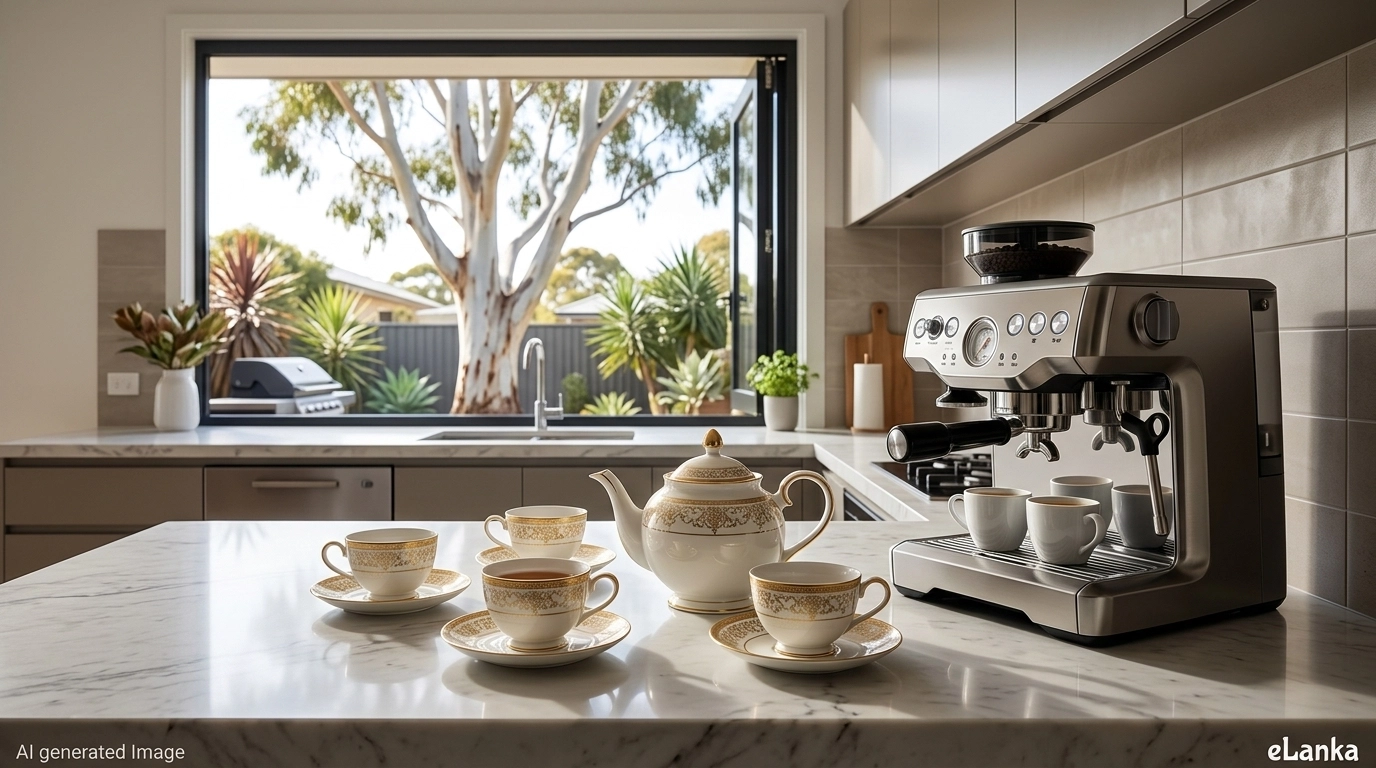
The interior design of many Sri Lankan Australian households is often marked by the presence of a formal display cabinet, frequently situated in a prominent location within the dining or living area. Within this cabinet resides the ‘good’ tea set, an intricate collection of fine porcelain, often adorned with gold filigree or traditional patterns, which is strictly reserved for guests of high standing or formal occasions. While daily life may involve the utility of modern mugs and espresso machines, the transition to the formal tea set during a visit signifies a profound respect for the guest. This ritualised hospitality is a direct inheritance from the social structures of Sri Lanka, where the offering of tea is considered an essential gesture of welcome and social cohesion.
3. Sporting Allegiances and the Backyard Cricket Phenomenon
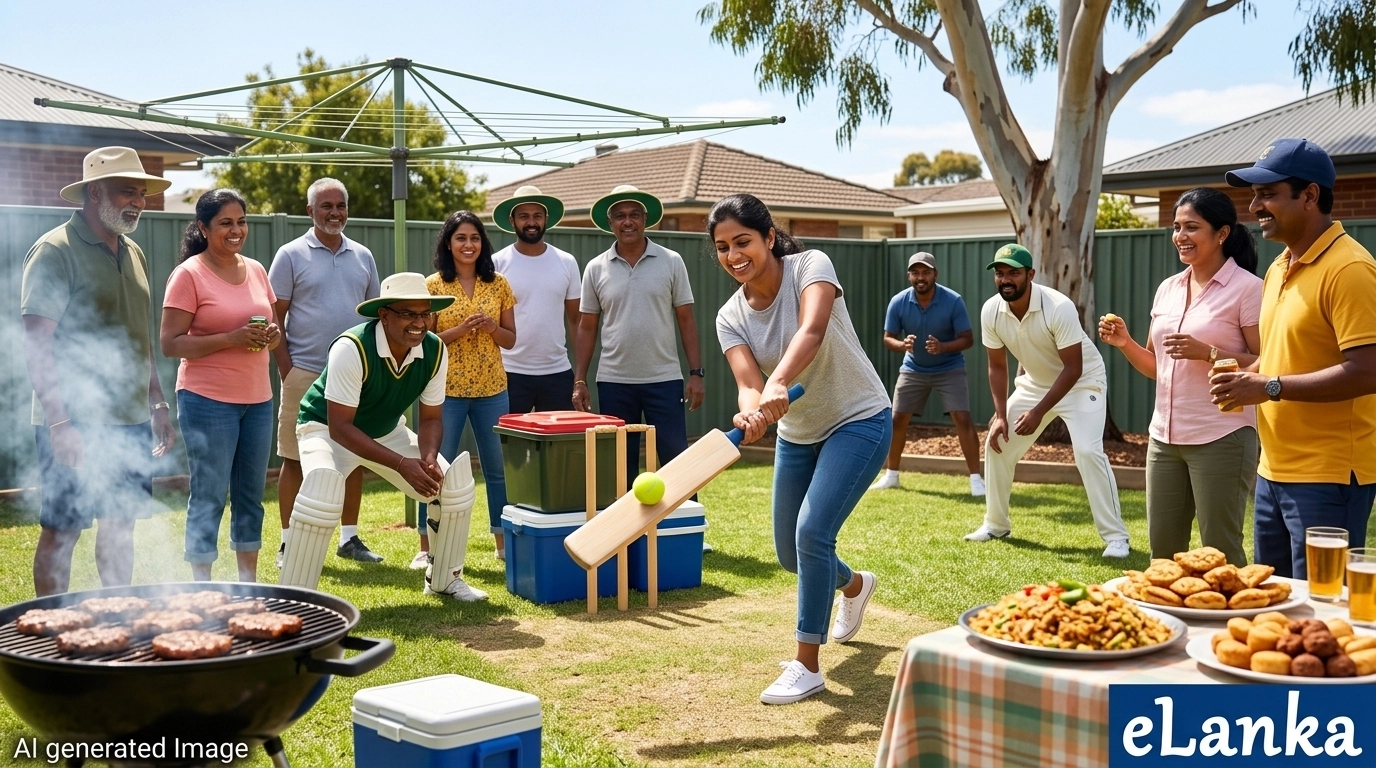
Cricket serves as a powerful cultural bridge and a source of dual identity for the Sri Lankan diaspora in Australia. The obsession with the sport is not merely a pastime but a significant institutional pillar of the community. It is observed that during international fixtures between the Australian national team and the Sri Lankan side, members of the diaspora often find themselves in a state of ‘productive tension,’ celebrating the prowess of their adopted home while maintaining a fervent loyalty to their ancestral roots. Furthermore, the Australian tradition of ‘backyard cricket’ has been enthusiastically adopted and adapted, with summer gatherings frequently featuring spirited matches that serve as a primary vehicle for intergenerational bonding and community engagement.
4. Linguistic Hybridity: The Synthesis of Singlish and Aussie Slang
The linguistic landscape of the Sri Lankan Australian is replete with examples of hybridity, where the formal structures of English are woven together with Sinhala or Tamil colloquialisms and contemporary Australian slang. This dialect, often referred to as ‘Singlish’ within the community, represents a sophisticated adaptation to a bilingual environment. It is not uncommon to hear sentences where traditional Sri Lankan terms of endearment or emphasis are paired with the quintessentially Australian “no worries” or “reckon.” This linguistic evolution is particularly evident among the second generation, who utilise this hybrid form to navigate their dual identities, effectively communicating within both the domestic and broader professional spheres.
5. Geographic Concentration and the ‘Little Sri Lanka’ Suburbs
The settlement patterns of the community reveal a preference for specific geographic clusters, which provide a sense of security and cultural resonance. In Victoria, suburbs such as Clayton, Narre Warren, and Dandenong have emerged as significant hubs, while in New South Wales, areas like Pendle Hill and Toongabbie host a high density of Sri Lankan residents. These suburbs are often characterised by the presence of specialised grocery stores, traditional restaurants, and community centres that facilitate the maintenance of cultural norms. The ability to source authentic ingredients, such as Maldive fish, gotu kola, and specific varieties of rice, within a short distance from one’s residence is considered an essential component of the Sri Lankan Australian lifestyle.
6. Transnational Digital Connectivity and eLanka
The modern diaspora is increasingly reliant on digital platforms to maintain a connection with their heritage and local community news. eLanka, serving as a premier Sri Lankan Community Portal, has become an instrumental resource for individuals seeking to stay informed about events, classifieds, and community notices. Whether it is through the perusal of obituary notices, the search for employment opportunities, or the engagement with the eLanka Shop for cultural goods, the platform serves as a digital bridge connecting Sri Lankans globally. The reliance on such a comprehensive digital hub is a definitive sign of a community that is technologically savvy yet deeply rooted in its collective identity.
7. The Observance of Festive Synchronicity
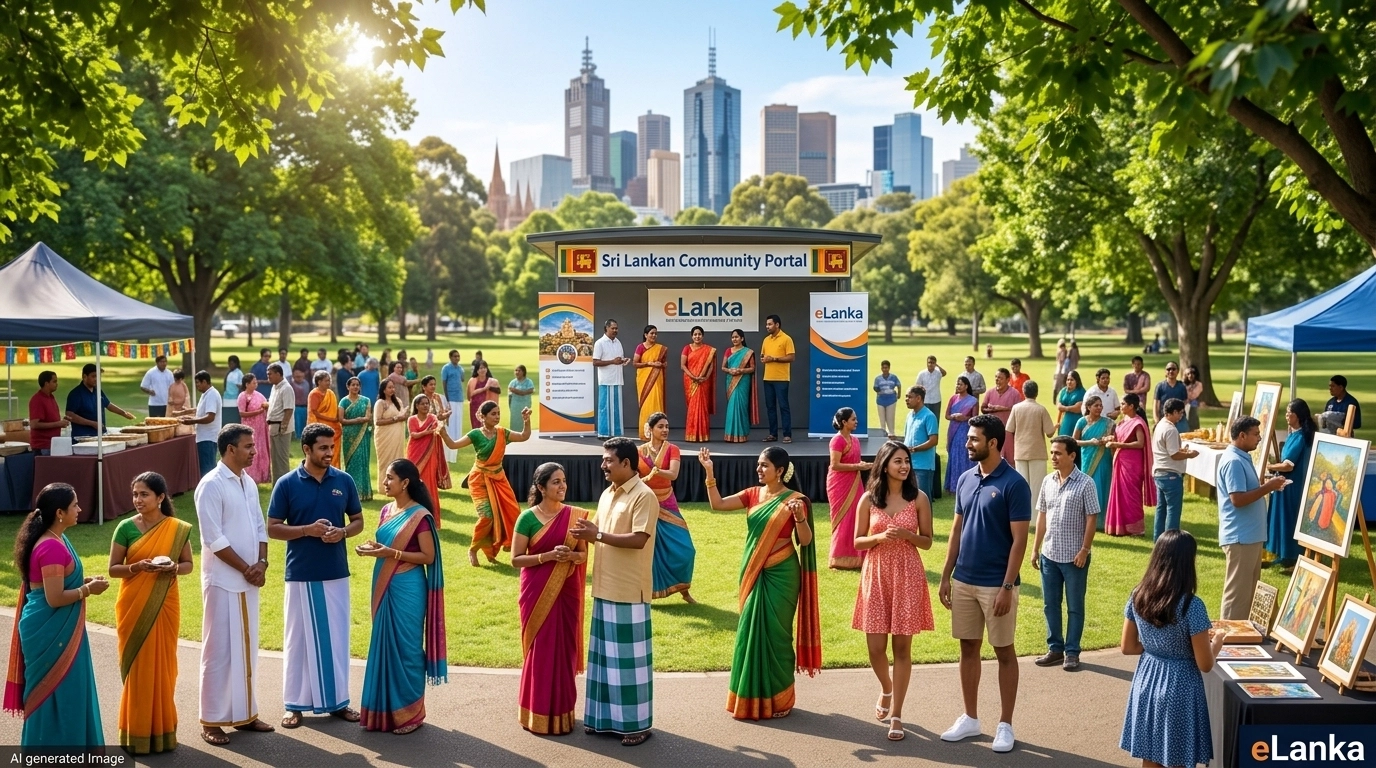
Despite the geographical distance from the Indian Ocean, the Sri Lankan diaspora in Australia meticulously observes traditional festivals such as the Sinhala and Tamil New Year (Aluth Avurudu), Vesak, and Deepavali. These occasions are often marked by large-scale community events held in public parks or community halls, where traditional milk-boiling ceremonies and cultural performances are executed with historical precision. The synchronicity of these celebrations with the Australian calendar creates a unique cultural rhythm, where the significance of a blooming ‘Erabadu’ flower in Sri Lanka is nostalgically recalled amidst the changing seasons of the Southern Hemisphere.
8. Educational and Professional Aspirations
A hallmark of the Sri Lankan Australian community is an unwavering commitment to education and professional excellence. This is evidenced by the high representation of the diaspora in sectors such as healthcare, engineering, information technology, and finance. The pursuit of academic achievement is often viewed as a communal responsibility, with parents providing substantial support to ensure the success of the younger generation. This focus on meritocracy and professional growth has allowed the community to contribute significantly to the Australian economy while maintaining a reputation for being highly skilled and industrially diligent.
9. The Persistence of the Multi-Generational Household
While the Western nuclear family model is prevalent in Australia, many Sri Lankan households continue to favour a multi-generational living arrangement. It is common to find grandparents residing with their children and grandchildren, providing a stable foundation for the transmission of language, values, and religious practices. This arrangement is not merely a result of economic pragmatism but is deeply rooted in a cultural philosophy that emphasises filial piety and the importance of the extended family unit. This structure ensures that the youngest members of the diaspora are consistently exposed to their ancestral heritage in a domestic setting.
10. Matrimonial Traditions and Global Connections
The process of finding a life partner within the diaspora has evolved through the integration of traditional values and modern technology. Platforms such as eLanka Weddings provide a sophisticated environment for individuals to seek matrimonial connections that respect cultural preferences. Furthermore, for those looking to invest in their future or maintain a physical link to their homeland, the eLanka Property portal serves as an essential tool for navigating real estate opportunities in Sri Lanka. These services highlight a community that is globally mobile yet remains fundamentally concerned with the preservation of its social and economic lineages.
In conclusion, the Sri Lankan community in Australia stands as a testament to the successful integration of a rich cultural heritage within a modern democratic framework. Through the preservation of culinary rituals, the adaptation of language, and the maintenance of strong institutional links, this diaspora continues to thrive, contributing to the multifaceted tapestry of contemporary Australian life.
Have a ‘sign’ we missed? Email us at info@eLanka.com.au.
Source: https://www.elanka.com.au
This article was written based on the source https://www.elanka.com.au, kindly email us at info@eLanka.com.au if any information needs to be corrected.
At eLanka, we respect the rights of creators. If we have used an image you own and you’d like it removed, please email us at info@elanka.com.au and we’ll handle it promptly.


